15 Most Expensive Number Plates Sold in the UK (2026 Update)
Discover the 15 most expensive number plates ever sold in the UK: what they cost, who bought them, and why. From rare one-letter plates to history-making registrations, this guide breaks down the value behind private plates and shows you how to check if yours could be worth a small fortune.
Last updated: 10th March, 2026

Award-winning CEO driving growth and social impact across automotive, recycling, and technology-led enterprise platforms.

Listen to this story
In the UK, personalised registrations have become a booming market. For some, they’re a fun way to stand out and make a statement. For others, they’re a sign of status, identity or even a long-term investment.
And when you see how much some buyers are willing to pay, it’s clear this is serious business.
In this article, we’ll look at the most expensive private number plates ever sold in the UK (and what makes them so valuable in the first place).
What's in this article
- 1. Why UK number plates can cost a fortune
- 2. A quick look at the UK’s private plate obsession
- 3. Factors that influence the price of a number plate
- 4. Investment value of rare registrations
- 5. Top 15 most expensive number plates in the UK
- 5.1 1. 25 O — £518,480
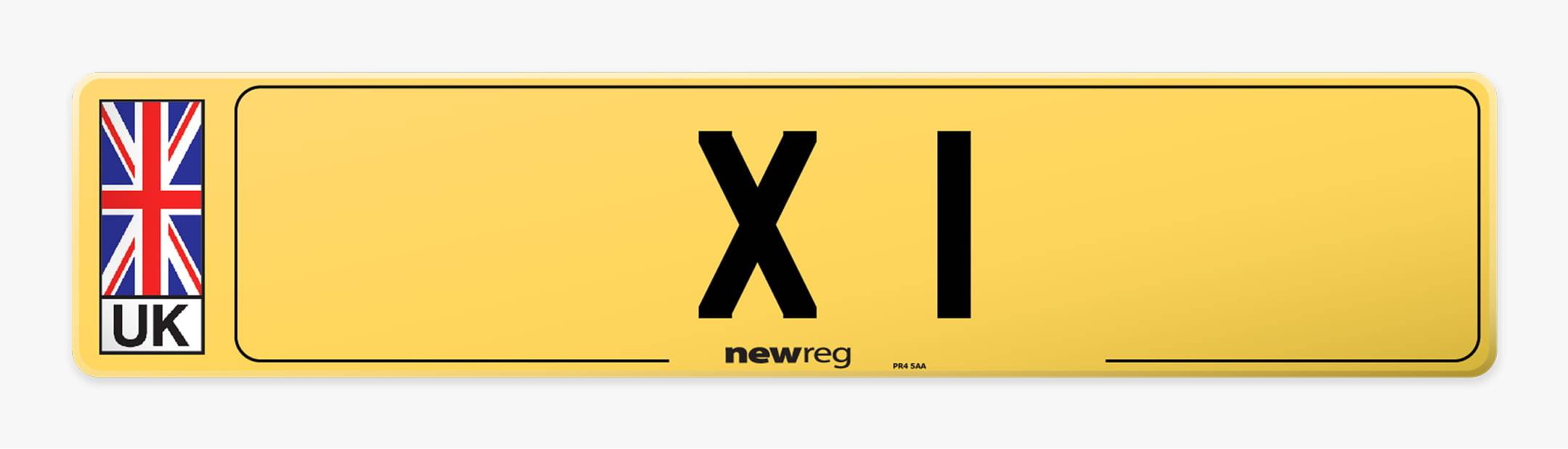
- 5.2 2. X 1 — £502,676
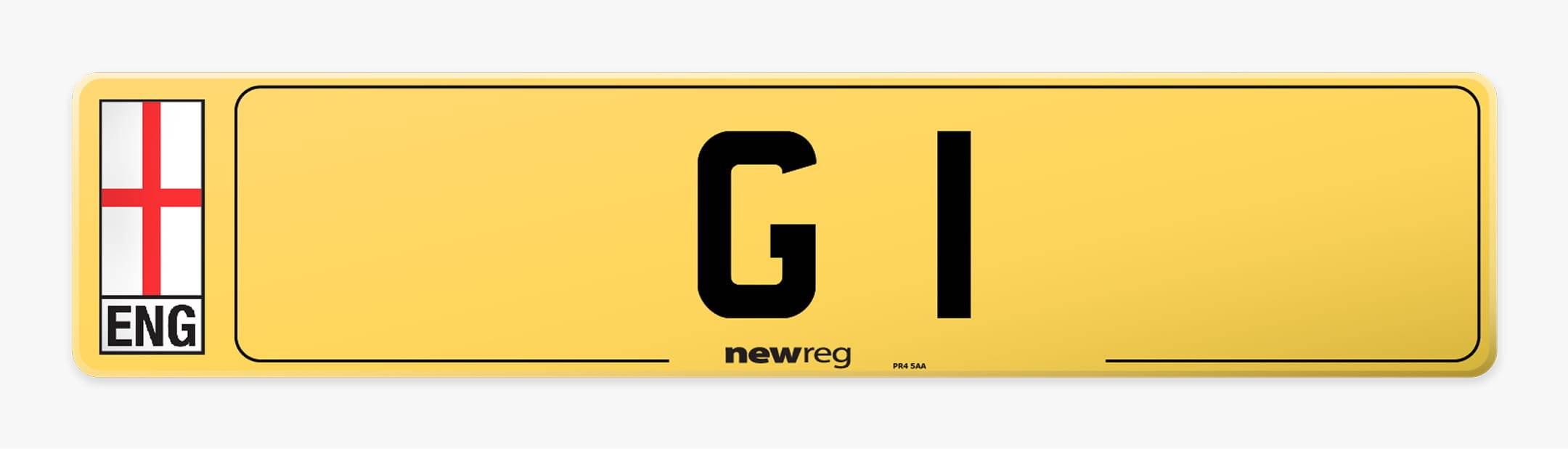
- 5.3 3. G 1 — £500,126
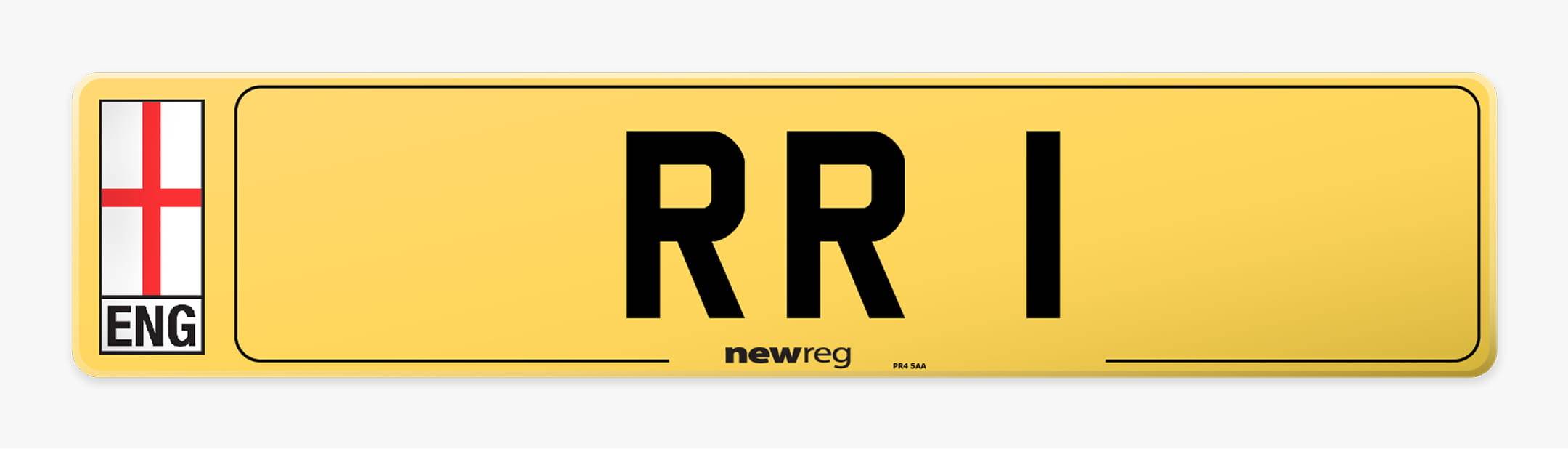
- 5.4 4. RR 1 — £472,000
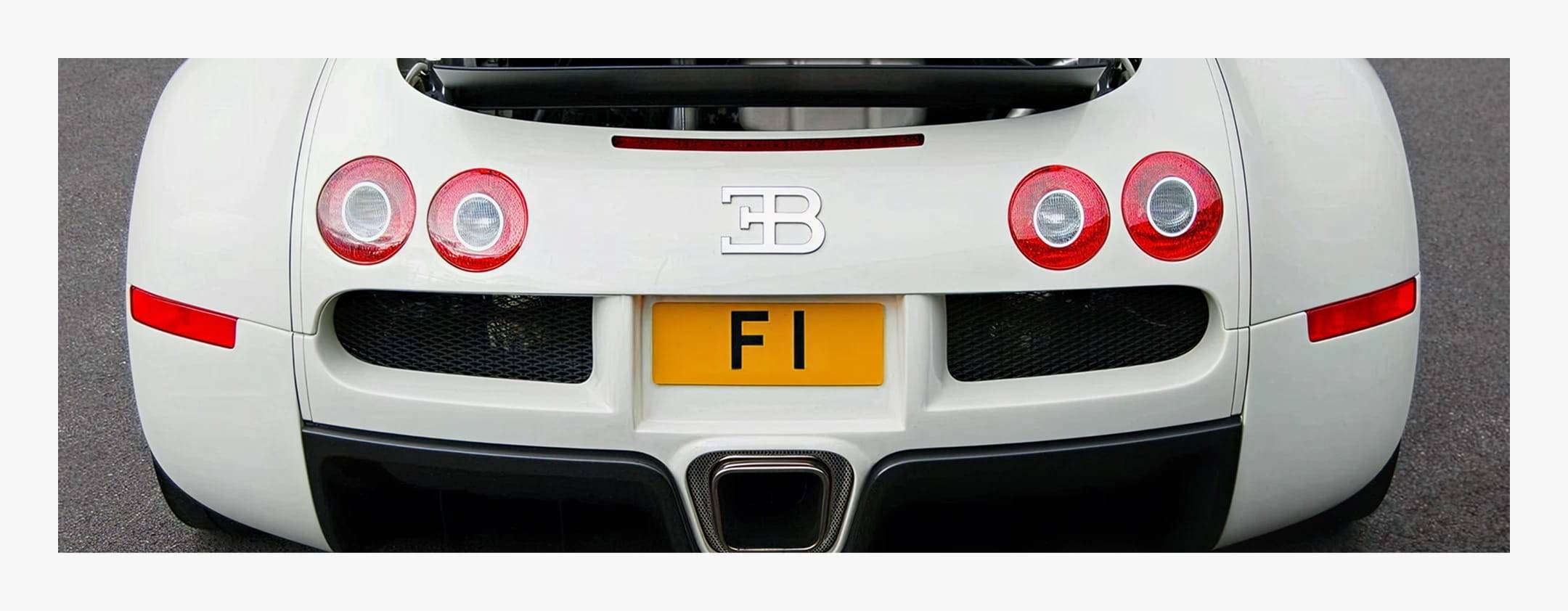
- 5.5 5. F 1 — £440,625
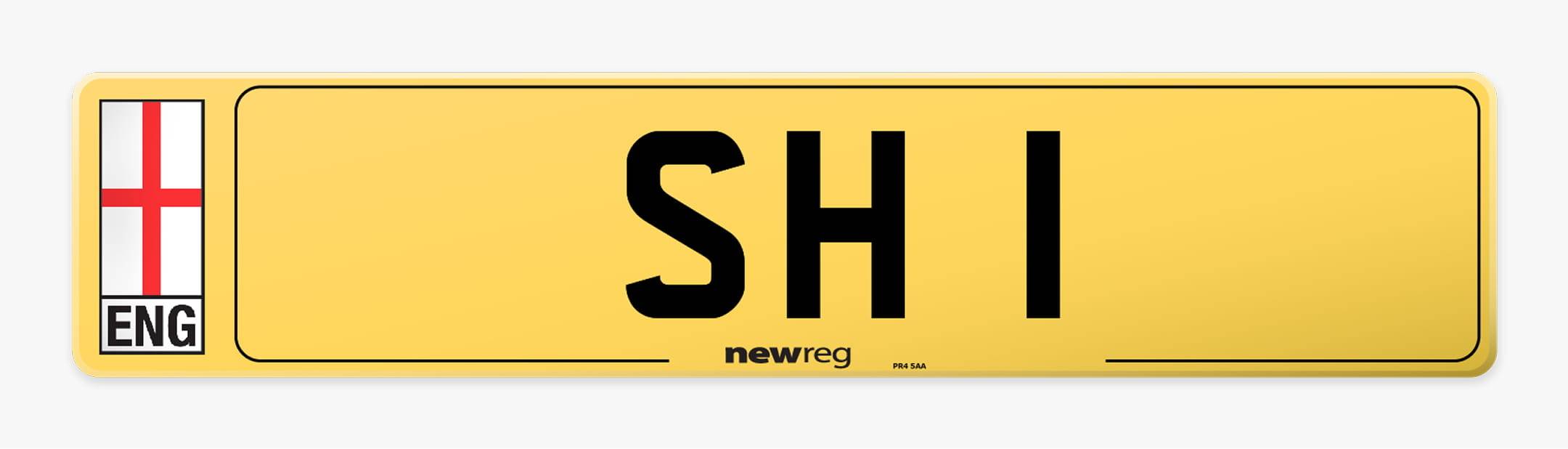
- 5.6 6. SH 1 — £415,143
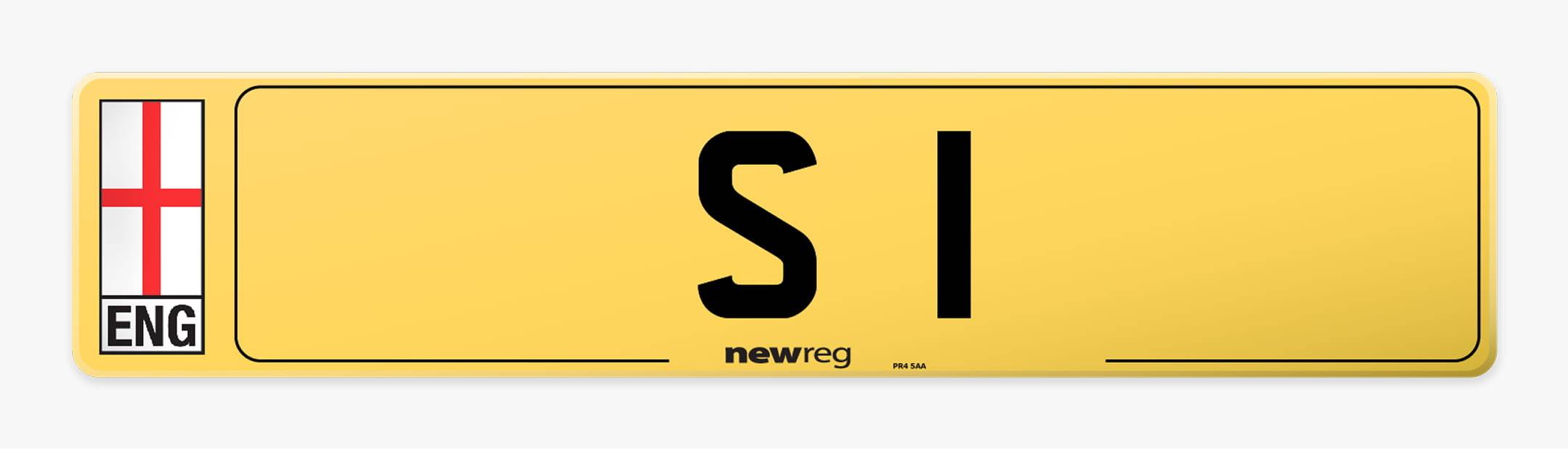
- 5.7 7. S 1 — £404,063
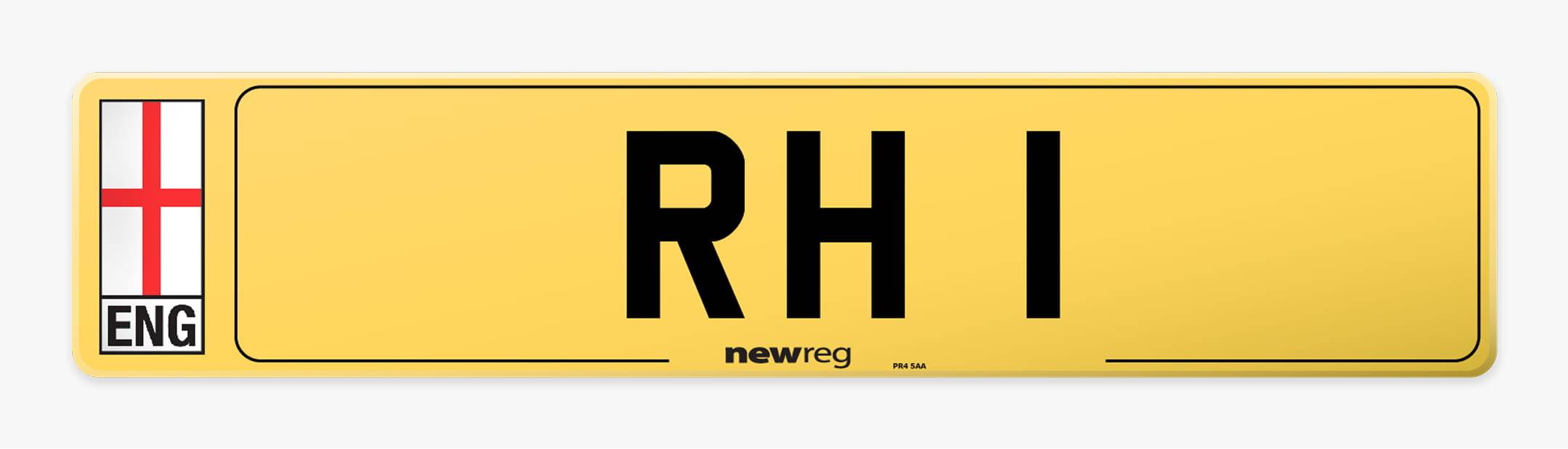
- 5.8 8. RH 1 — £390,176
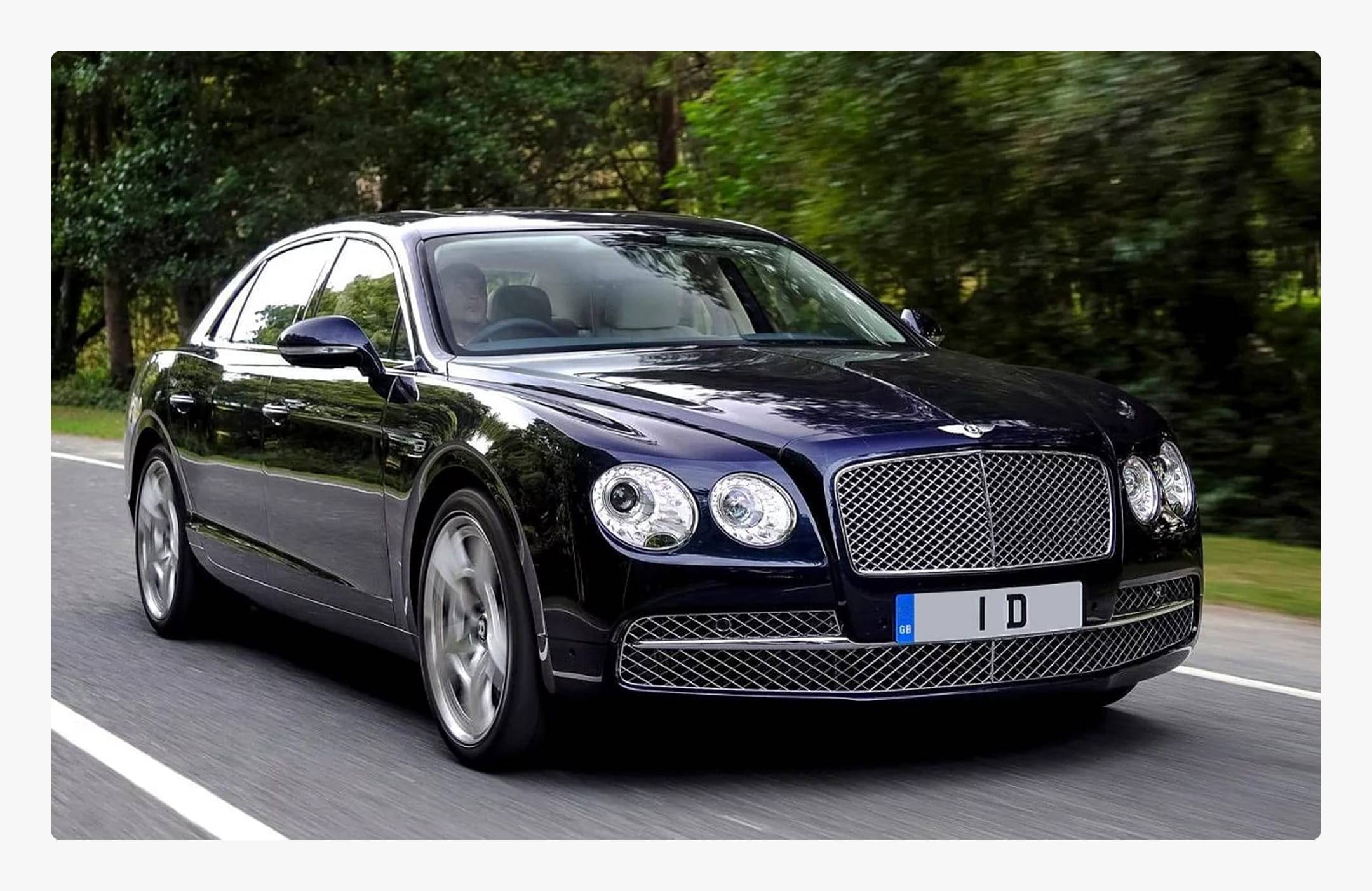
- 5.9 9. 1 D — £352,411
- 5.10 10. 1 S — £340,240
- 5.11 11. M 1 — £331,500
- 5.12 12. T 6 — £330,176
- 5.13 13. V 1 — £330,105
- 5.14 14. DL 1 — £330,096
- 5.15 15. GB 1 — £325,106
- 6. Who buys expensive number plates?
- 7. The basics of UK number plate valuation
- 8. Can you sell your plate for a fortune, too?
- 9. Are number plates a good investment in 2026?
- 10. How do I get my number plate valued?
- 11. Can I sell a plate back to the DVLA?
- 12. What’s the penalty for illegal or fake plates?
- 13. The bottom line
Why UK number plates can cost a fortune
Private plates in the UK aren’t just about putting your name on your car. They can potentially be rare, desirable and highly competitive assets when they tick the right boxes.
Here are five reasons why some of them sell for jaw-dropping prices:
1. Rarity
Every number plate in the UK is unique. Once it’s issued, it can’t be duplicated. The shorter, simpler or more meaningful the combination, the more valuable it becomes. Think single letters, initials and instantly recognisable words.
2. Status and prestige
For high-net-worth individuals, a custom plate is the ultimate flex. Driving around with “VIP 1” or “F1” signals success in a way no standard plate ever could. Since it’s well-known that shorter dateless plates like these are expensive and hard to come by, it’s an immediate signal of wealth.
3. Business and branding
Plates like “CEO 1” or “CAR 5” are perfect for professionals and business owners who want to turn heads and build brand identity when they drive by. For company-owned vehicles, private plates are also a cool little detail to add.
4. Investment potential
Some people treat number plates like property or fine art. A desirable plate bought today can double or triple in value in a few years if it hits cultural trends or market demand. It’s difficult to predict, but it’s possible to purchase the rights to a plate as a speculative asset.
5. Emotional or personal meaning
Sometimes, it’s not about money, it’s about sentiment. A plate that matches your initials, birthday or name feels valuable to you even though it might not to someone else. And for those who can afford it, the price tag doesn’t matter.
A quick look at the UK’s private plate obsession
The UK has one of the most active private plate markets in the world. Tens of millions of personalised registrations have been sold since the DVLA started offering them in 1989.
Over the last 10 years, yearly private number plate sales have doubled. In that time, they’ve raked in ~£3 billion from them, and that doesn’t even count the auctions and private sales that happen on the consumer market. It only counts issuances.
Every year, tens (if not hundreds) of thousands of plates are snapped up by collectors, car enthusiasts and everyday drivers alike. Some spend a few hundred pounds. Others drop six figures without blinking.
What’s driving it?
- The prestige factor plays a big role.
- The UK’s strict number plate format makes certain combinations especially rare.
- And with DVLA auctions held regularly, the competition is fierce.
Social media has also added fuel to the fire. Influencers, celebrities and business owners now use private plates as part of their personal brand. If you’re building an identity around success or exclusivity, a standout plate fits right in.
Factors that influence the price of a number plate
Not all private plates are created equal. Some sell for a few hundred pounds, others for hundreds of thousands.
The difference often comes down to six key factors:
Length and simplicity
Short plates, especially those with just one or two characters, are the rarest and most valuable. “F1” or “1 D” grab people’s attention instantly and are far more memorable than longer strings.
Initials and names
Plates that match popular initials (like “AJ” or “JS”) or first names (like “JON 1” or “EM1 LY”) are always in demand. The more common or desirable the name, the higher the price. For instance, the number plate “51 NGH” (“SINGH”) sold to property millionaire Pete Singh Virdy in 2006 for £201,000.
Relevance to high-profile industries
Plates related to status-heavy professions or luxury sectors (like “F1”) tend to command a premium. They appeal to people who want to stand out in business or high-end circles or directly reference a status symbol item.
Exclusivity and availability
Once a desirable plate is gone, it’s gone. If someone wants it badly enough, they’ll pay whatever it takes to convince the current owner to sell. This is especially true with dateless plates, which in 1963. It’s a classic example of the supply and demand curve: longer plates and those that are closer to the DVLA’s official format are a lot easier to come by, so they’re less special.
Visual appeal
Plates that look clean or symmetrical tend to do better. Something like “A 1” or “111 AAA” looks good on a high-end vehicle and has aesthetic value.
Cultural and regional trends
Interest spikes when a plate lines up with cultural moments. A plate like “007 JB” might rise in value if a new James Bond film is released, for example. Or, last year, “H1 NDU” sold for £112,010, something that’s no surprise considering British Indians are the largest visible ethnic minority in the country.
Investment value of rare registrations
Some buyers treat rare registrations like fine art or classic cars. The right plate bought at the right time appreciates dramatically in value over the years. We aren’t here to give you investment advice, nor are we saying this is the best way to secure a return. All we’re saying is it could be profitable if you’re tapped into the right markets and know what to look for.
What the experts say

Anthony Sharkey

Limited supply creates long-term demand.
Once a plate like “1 A” or “F1” is off the market, it’s gone. That scarcity makes top-tier plates highly attractive to collectors and wealthy buyers who are willing to pay a premium to own a one-of-a-kind asset.
Returns can be impressive.
Plates originally bought for a few thousand have been resold for six figures—or more. And because demand for personalised plates has stayed strong for decades, it’s seen by some as a relatively low-risk alternative asset.
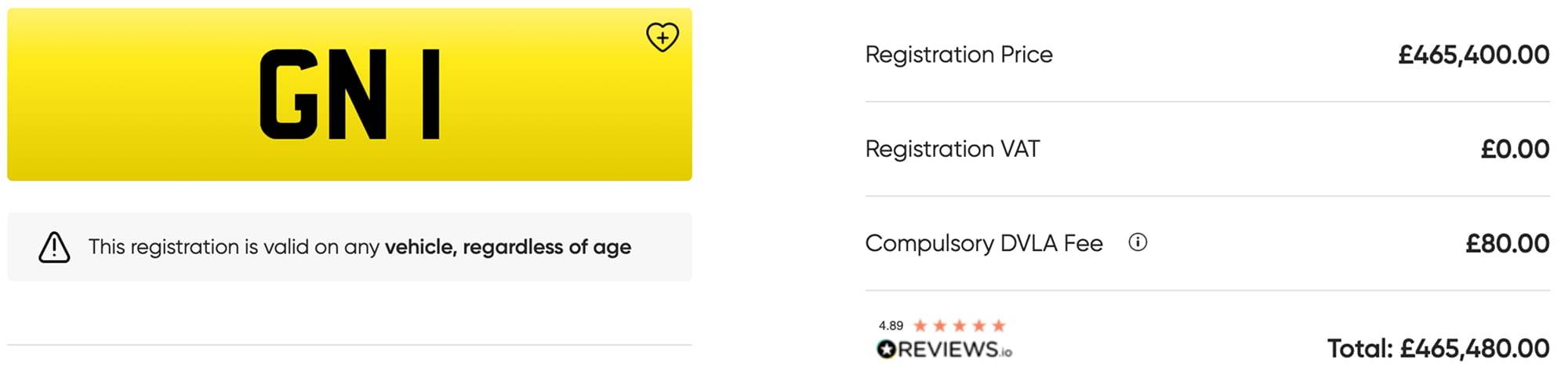
For instance, “GN 1” sold for £258,775 back in October 2016. Now, it’s listed at just over £364,000.
Low maintenance, high prestige.
Unlike other collectibles, number plates don’t need storage, restoration or upkeep. You can display your investment on your car and still benefit from potential value growth.
The market is surprisingly liquid.
The DVLA runs regular auctions several times per year, and specialist brokers and websites (like Car.co.uk) make it easy for buyers and sellers connect. If you own a desirable plate, chances are there’s someone out there ready to make an offer.
Top 15 most expensive number plates in the UK
Without further ado, let’s dive into the 15 most expensive number plates ever sold in the UK.
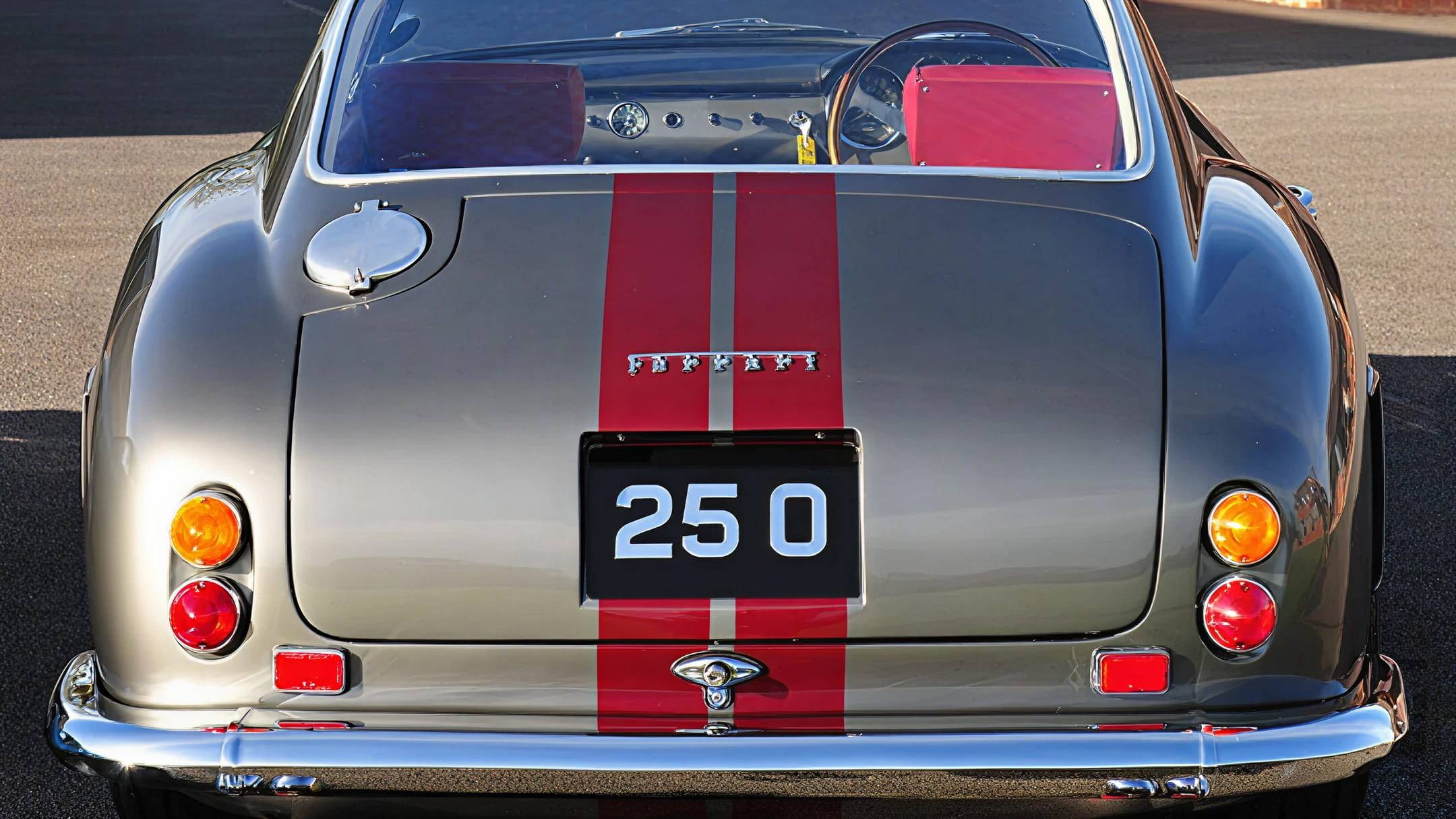
1. 25 O — £518,480
Sold in November 2014, 25 O remains the UK’s most expensive number plate to date.
It was purchased by classic-car dealer and collector John Collins, who matched it to a Ferrari 250 GT SWB once owned by Eric Clapton. The combination of a rare car, celebrity provenance and a perfectly paired plate (“25 O” for a Ferrari 250) made this a collector’s dream.
Today, the estimated value of 25 O exceeds £750,000, making it a strong example of how top-tier plates can grow in value over time.
2. X 1 — £502,676
Originally issued in December 1903, X 1 is one of the very first vehicle registrations ever recorded in Britain. That alone gives it immense historical weight. On top of that, a single letter and single-digit plate is almost unheard of.
It was eventually sold to an anonymous bidder and DVLA records show it’s currently attached to a Mercedes (likely a CLA model) registered in 2008 or later.
3. G 1 — £500,126
For nearly a year, G 1 held the UK record. It was considered the crown jewel of British cherished plates before being overtaken by X 1 and later 25 O. Just like X 1, the single-letter, single-digit dateless combo issued in the early era of UK licensing (circa 1903) makes it one of the most exclusive available.
The identity remains private because the purchase took place in a private auction. But, according to public sources, it is currently displayed on an Aston Martin.
4. RR 1 — £472,000
RR 1 is short, symmetrical and instantly recognisable, making it the ultimate pairing for any Rolls-Royce owner. In fact, the plate has long been considered the holy grail for collectors within that world.
The buyer paid £472,000 at auction, securing both a piece of registration history and a powerful status symbol. It's believed to be registered to a Rolls-Royce Phantom, though the current owner has kept a low profile.
5. F 1 — £440,625
The sale of F 1 in 2008 was a bold branding move by Afzal Kahn, founder of Kahn Design, a luxury automotive customisation firm. Tied closely to Formula 1, this plate carries huge motorsport cachet. For Kahn, it was the perfect blend of personal brand, performance heritage and visual impact.
What’s interesting about F 1 stands isn’t just its £440,625 price tag, though. It’s the eye‑watering offers (rumoured up to €10m) he declined to sell for. Although the sale price sits at #5, it’s definitely one of (if not the) most valuable number plates in the UK today.
6. SH 1 — £415,143
Sold in April 2019 via a DVLA auction, SH 1 fetched a staggering £415,143, making it the sixth most expensive plate ever sold publicly in the UK.
It’s currently assigned to a Bentley Continental GT, but beyond that, very little is known. The buyer remains anonymous and their reasons for purchasing the plate (whether personal, professional, or investment-driven) haven’t been disclosed.
7. S 1 — £404,063
Sold in September 2008 at a DVLA auction, S 1 went for £404,063. In our opinion, though, its real value lies in its historical significance.
It was the first number plate ever legally issued in Scotland, dating back to 1903. The original owner? Lord Kingsburgh, a Scottish judge and one of the country’s earliest motorists. The plate remained in his family for over 100 years before it finally went to auction.
After the sale, S 1 was rumoured to have been placed on an older model Skoda, which raised eyebrows given its pedigree. According to recent DVLA records, it’s either no longer registered to a vehicle or currently inactive.
8. RH 1 — £390,176
Sold in March 2021 for £390,176, RH 1 quietly became one of the most expensive private plates in UK history. The sale took place through a DVLA auction or dealer platform and the plate was later spotted on a Bentley Continental GT.
Beyond that, details are scarce. The buyer remains anonymous, with no public information on their identity or motivations. Still, the appeal is obvious: short, initial-style plates are consistently among the most desirable, especially when they match a high-end vehicle.
9. 1 D — £352,411
Sold in 2009, 1 D is one of the most iconic single-digit, single-letter plates ever released, and it comes with a personal story.
The buyer was Nabil Bishara, a Lebanese property developer based in England, who purchased the plate as a birthday gift for his wife. She later placed it on her Bentley Bentayga, adding even more prestige to the already rare registration.
What makes 1 D particularly interesting is that, despite its simple format, it wasn’t issued in the early 1900s like most similar plates. Instead, it was held back and only released at auction in 2009, making it a bit of an anomaly among dateless registrations.
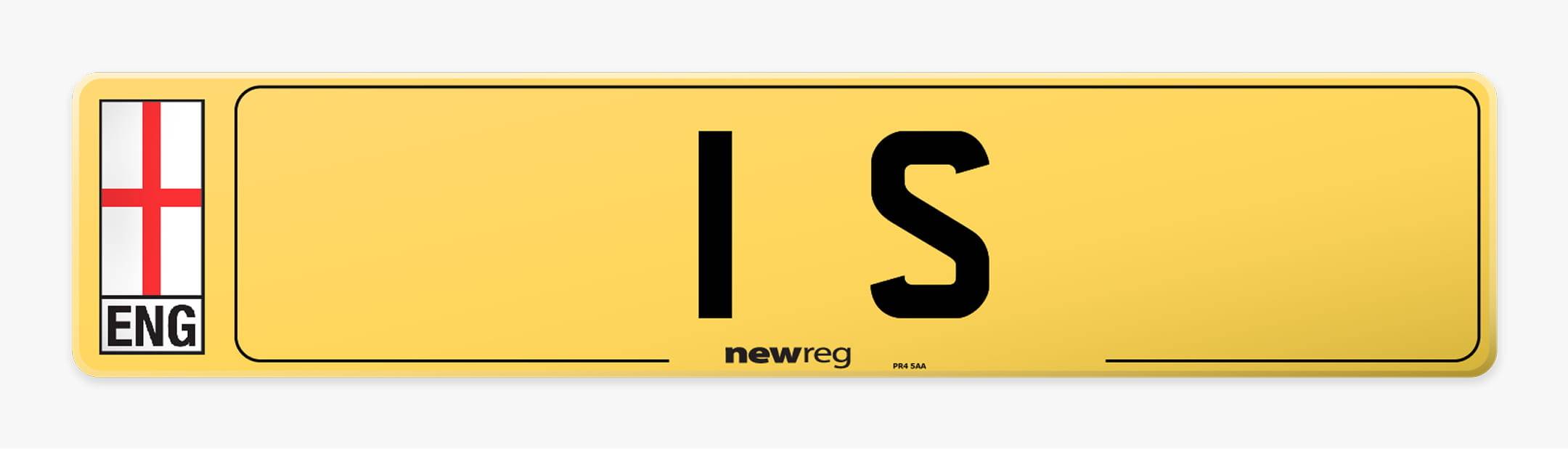
10. 1 S — £340,240
1 S sold for £340,240, placing it firmly in the elite tier of one-letter-one-digit UK plates, a format reserved for only the rarest and most prestigious registrations.
At one point, the plate was assigned to a Rolls-Royce Phantom, perfectly complementing the car’s luxury image and enhancing the plate’s exclusivity. As of now, 1 S is not in active circulation and DVLA records show it’s currently not attached to a vehicle.
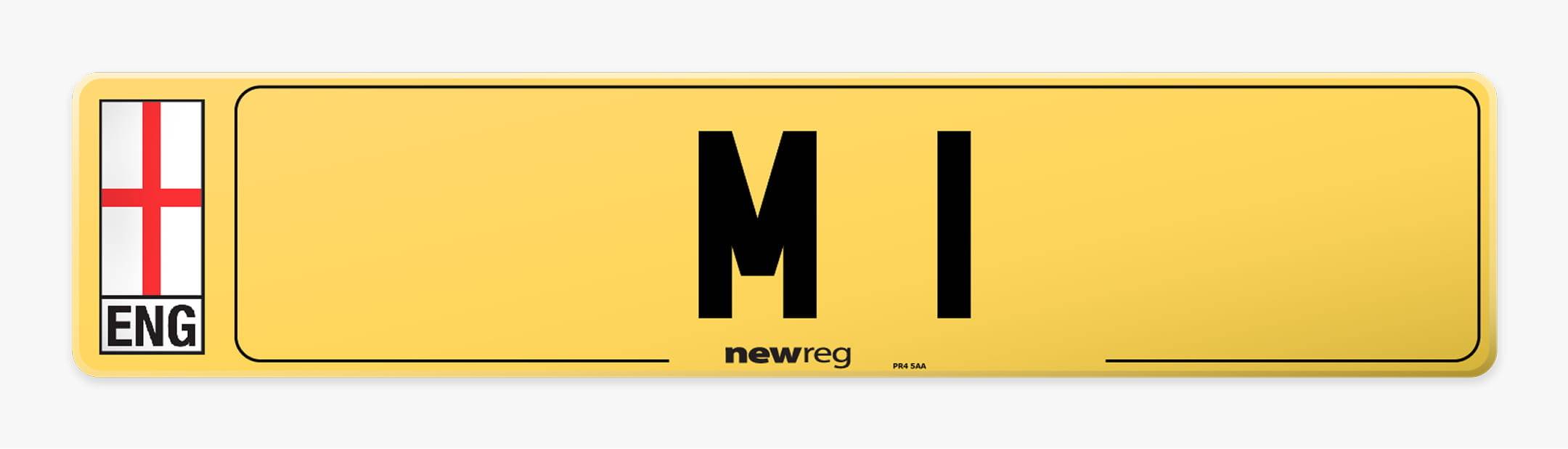
11. M 1 — £331,500
Sold on 7 June 2006 by Bonhams at the Goodwood Festival of Speed, M 1 smashed expectations. Originally estimated at £80,000-£120,000, competitive bidding pushed it to £331,500, setting a new UK record at the time.
The buyer? Mike McCoomb, a British entrepreneur and founder of Mobile Phone Store, a chain he eventually sold to BT Cellnet. He purchased the plate as a birthday gift for his six-year-old son.
The plate has deep historical roots. It was issued in 1902 as the first registration in Cheshire. It originally adorned a 1903 Darracq owned by Lord Egerton of Tatton Park, who later transferred it to a Panhard and then a restored 1904 Benz. The plate remained in the Egerton family for over a century.
Proceeds from the sale were donated to the preservation of Tatton Park, reinforcing its cultural and regional significance.
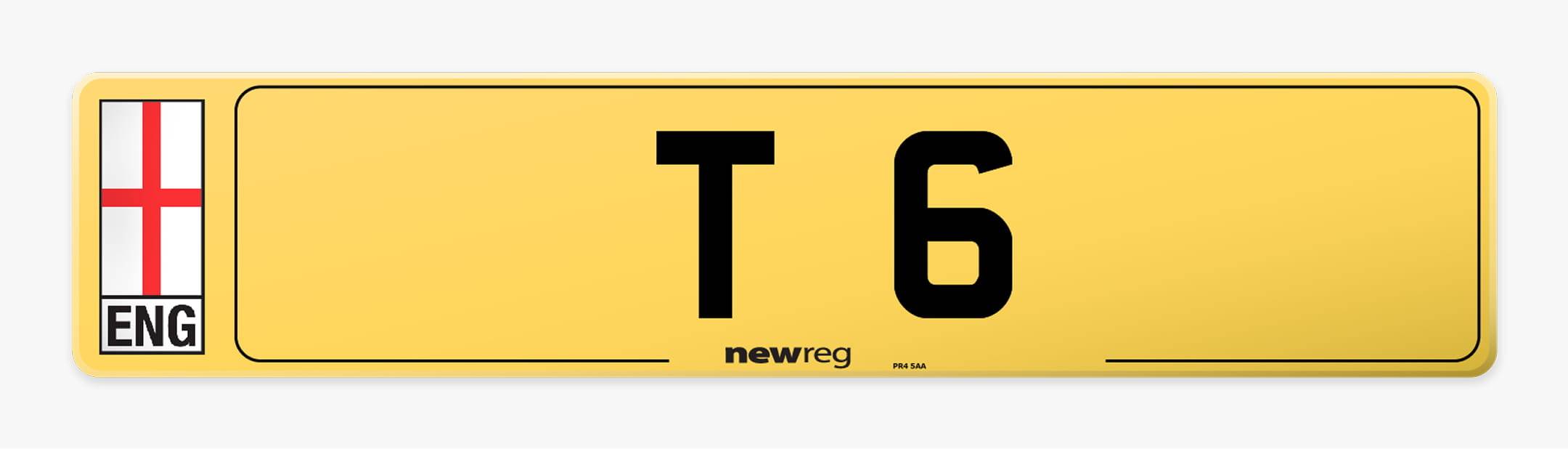
12. T 6 — £330,176
Sold in July 2019 via a DVLA auction, T 6 fetched £330,176.
This plate was one of the earliest Devon registrations, issued in the first wave following the 1904 Motor Car Act, which required vehicles to display number plates for the first time. It was the third plate in Devon’s series, placing it among the first 15 registrations in the county, making it exceptionally rare.
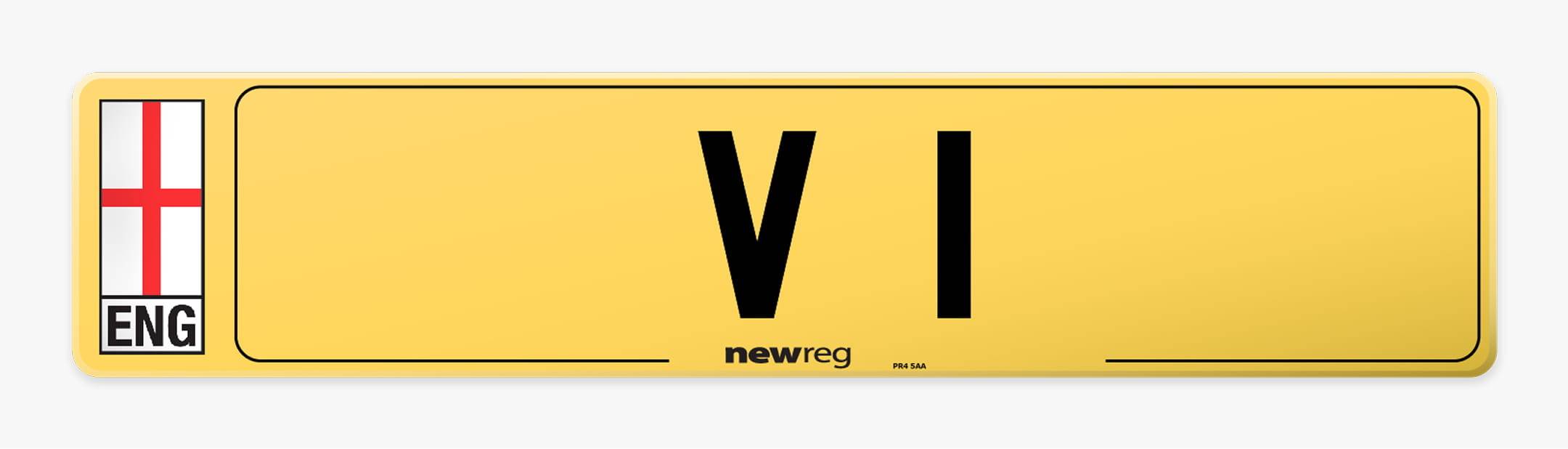
13. V 1 — £330,105
Sold in October 2006 for £330,105, V 1 is yet another prime example of how short, clean plates continue to dominate the high end of the UK market.
The sale was handled through a DVLA auction or an associated dealer channel, but the identity of the buyer has never been made public. Despite extensive coverage and confirmed sale details in DVLA records and industry reports, the purchaser has remained completely private.
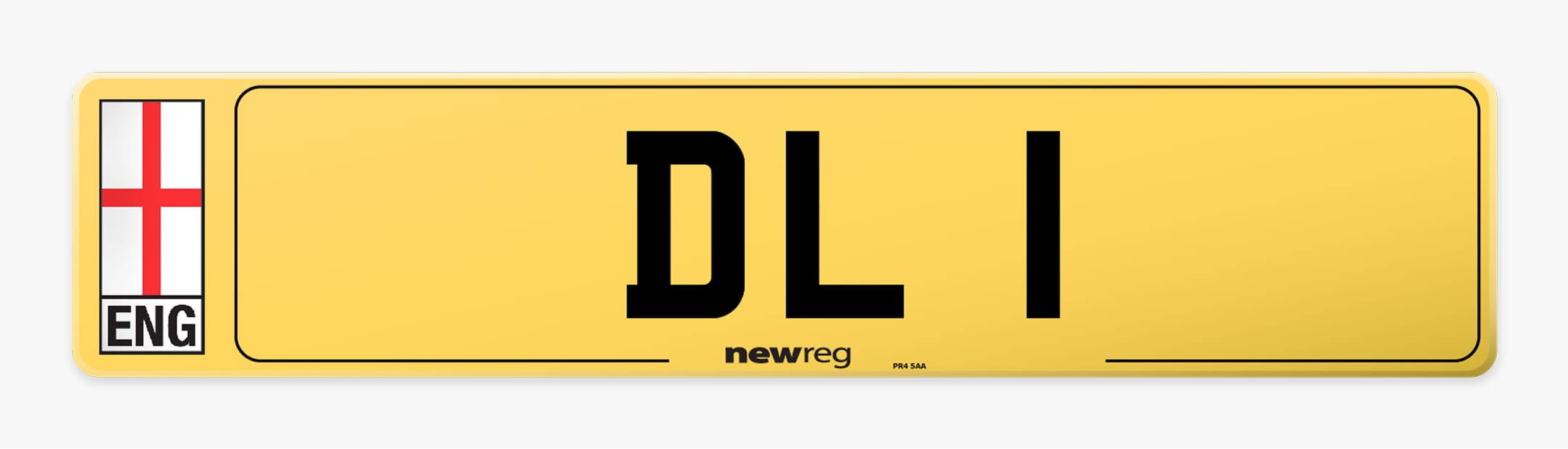
14. DL 1 — £330,096
Sold in August 2022 for £330,096, DL 1 is one of the most recent additions to the UK’s top-tier private plate rankings. Originally issued under the DL county prefix, which covers areas like the Isle of Wight and Portsmouth, the plate dates back to the early 1900s, part of the UK’s very first wave of vehicle registrations.
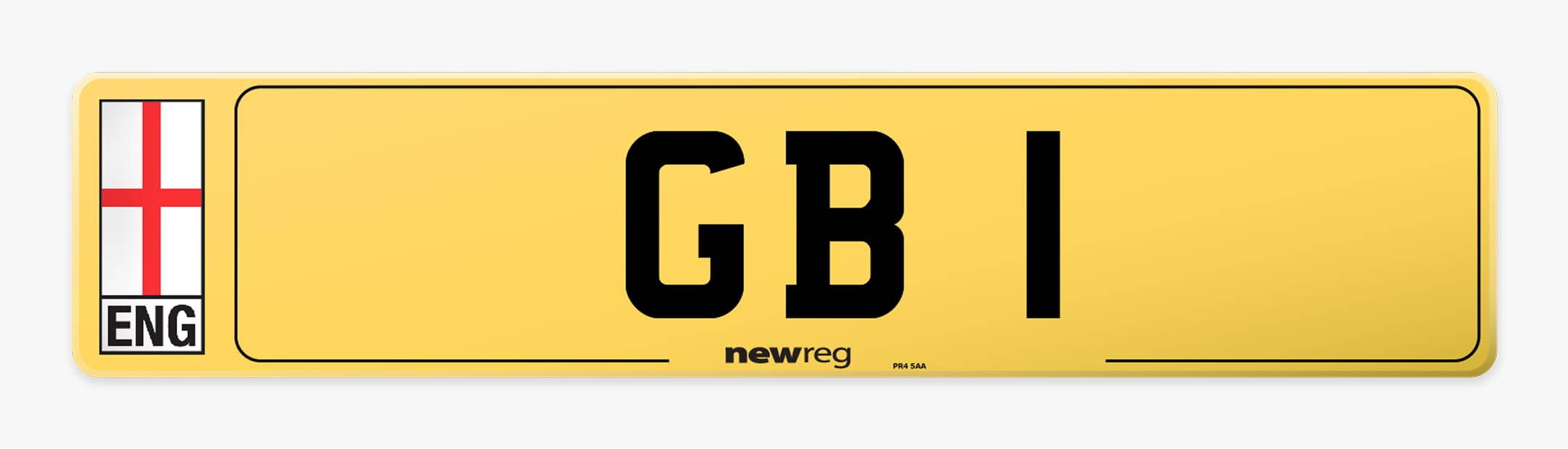
15. GB 1 — £325,106
Sold in November 2009 at a DVLA auction, GB 1 is arguably the most patriotic private plate in the UK. With just two letters (“GB” for Great Britain) and a single digit, it symbolises national pride in its purest form.
The £325,106 plate is reported to have been displayed on a white Rolls‑Royce Ghost shortly after the sale, but the identity of the buyer is unknown.
Who buys expensive number plates?
Celebrities, billionaires and petrolheads
Private plates have long appealed to the rich, famous and car-obsessed.
High-profile buyers include celebrities like Afzal Kahn, who put F 1 on his Bugatti and property moguls like Nabil Bishara, who bought 1 D as a gift.
Beyond those at the top, there are thousands of private plates that celebs and entrepreneurs have purchased for sums in the tens or hundreds of thousands. Some elite plates are spotted on Rolls-Royces, Bentleys and supercars, while others quietly sit on less flashy vehicles, owned by low-key collectors with deep pockets.
The psychology of owning a unique plate
For rich folks and motoring enthusiasts alike, it’s about individuality, exclusivity and often, legacy. A private plate feels like a personal, but also permanent, way to express your identity on the road. For some, it's about immortality, placing their initials or nickname on something that will outlive the car itself. Others simply enjoy the thrill of owning something rare, meaningful or conversation-worthy.
It’s not unlike art collecting, except your canvas is the motorway.
Status symbol or smart investment?
For some, it’s both.
Premium plates like “25 O” or “1 S” signal wealth, exclusivity and success. That prestige alone can justify the price tag for high-net-worth buyers. But many see rare plates as alternative investments too. With limited supply and a history of rising values, they can deliver serious returns over time.
A well-chosen plate can outpace luxury watches, classic cars or even property if you’re lucky.
The basics of UK number plate valuation
By now, it's clear to you: private number plates aren’t random strings of letters and numbers. The most valuable ones are carefully chosen combinations that strike the perfect balance of scarcity, meaning and visual appeal.
From short formats to iconic initials and historic first-issue registrations, the ingredients for a high-value plate are remarkably consistent.
How the DVLA sets base auction prices
When it comes to selling private plates, the DVLA controls the supply. It releases new combinations regularly through public auctions, both in-person and online.
Base auction prices are usually determined by the format, character length and perceived desirability. For example, a plate like JON 111 might start at a few hundred pounds, while JON 1 could open at several thousand. Rare formats—such as single letters or one-digit plates—can start even higher.
The final price, however, is dictated entirely by demand. If multiple buyers want the same plate, bidding will quickly skyrocket.
What makes a plate desirable?
There are a few consistent factors that consistently drive plate desirability:
- Simplicity: Fewer characters = higher value.
- Relevance: Plates that match names, initials and real words carry more appeal.
- Visual symmetry: Combinations that look good or read clearly (like “BO55 DAN”) tend to attract more attention.
- Age and history: Dateless plates or those with historical origins (like M 1 or S 1) are prized for their legacy.
- Exclusivity: The rarer the combination, the more bidders are willing to pay.
Short plates, names and initials
This is where prices often reach their peak.
- Short plates like F 1 or 1 D are in a league of their own. They're instantly recognisable, easy to remember, and incredibly rare—only a handful exist.
- Names (e.g. EM1 LY or JON 1) have wide appeal and emotional value. The more common the name, the more competitive the bidding.
- Initials are consistently popular, especially two-character plates like RH 1 or SH 1. They're personal, prestigious, and versatile enough to attract multiple buyers.
If you’re trying to estimate the value of a plate, always start with the length, clarity, and meaning. That’s what buyers look for first.
Can you sell your plate for a fortune, too?
If you already own a private plate (or inherited one), you might be sitting on a surprisingly valuable asset.
How to check if your plate has value
At Car.co.uk, we offer free expert valuations to help you determine what your plate could fetch on today’s market. With over 350,000 valuations completed, we know exactly what buyers are looking for and what the market is willing to pay.
Our team is well-versed in current trends, buyer preferences, and pricing benchmarks. So whether your plate features initials, a clean number, or historical relevance, we can tell you exactly where it stands and what kind of sale price is realistic.
There’s no obligation to sell after your valuation, but if you choose to, we’re ideally placed to manage the process. Our sales advisers can help you reach the right audience and maximise your final sale price.
Selling through DVLA vs. private dealers
When it comes to selling, you have two main options:
DVLA auctions are government-run and tend to draw large crowds, especially for rare combinations. But your plate must be selected and approved to be listed, and you won’t have much control over the marketing or timing.
Private dealers (like Car.co.uk) give you more flexibility and personalised support. They can help you set a fixed price or handle negotiations, and often have direct access to motivated buyers looking for specific formats or initials.
If you want a more hands-on approach, expert advice, and a broader reach, a private dealer is the better route.
Realistic expectations for plate resale
While some plates do sell for six figures, most won’t, at least not overnight. The key is alignment: does your plate match a name, set of initials, or format that buyers are actively looking for? Is it short, dateless, or linked to a valuable region or trend?
Even if you don’t have a “1 A” or “F 1”, you might still have something of value if the right buyer comes along…
Are number plates a good investment in 2026?
They can be, but it depends. Prices for premium plates have already inflated significantly over the past decade. Future gains will rely on whether the trend and cultural obsession continue. Rarity still holds value, but choose wisely.
How do I get my number plate valued?
We’ll handle that. Just request a free valuation from Car.co.uk, no strings attached. There are more immediate options (like instant valuation calculators), but a computer won’t consider all the nuances like a dedicated team of professionals will.
Can I sell a plate back to the DVLA?
No. The DVLA doesn’t buy plates back. You can surrender a registration using form V317, but if you want to sell, your best bet is to list it through Car.co.uk or, if you’ve got something exceptionally rare, go to auction.
What’s the penalty for illegal or fake plates?
A basic fine is £100, but more serious or repeat offences lead to fines up to £1,000 and possible penalty points on your licence. When you buy through a DVLA auction or certified dealer, you’re guaranteeing the plate you buy is 100% legal.
The bottom line
Personalised number plates blend personal identity, prestige and investment potential. From historic plates dating back to the early 1900s to bold modern statements like F 1 and 1 D, the top end of the market proves this.
But like any asset, timing and relevance matter. Prices have climbed over the years and while the market is still strong, future gains depend on ongoing demand and cultural trends.
If you're curious about the value of your plate (or are ready to sell) Car.co.uk is here to help. With decades of experience, deep market insight, and a proven track record, we’ll make sure you get the best advice and widest exposure possible.
About Car.co.uk

Share on
Latest news & blogs