






Quickly see how much it costs to tax your car
Every car on UK roads needs to be taxed, even if UK law exempts yours from actually paying car tax (e.g. if you own a historic car). Taxing your car is the DVLA’s way of legally registering it in their central database, so everyone has to do it.
How much you pay, though, depends on the vehicle. Most cars that were first registered after April 2017 pay a rate based on their CO2 emissions, which range from £10 for zero-emission EVs to £5,490 for the heaviest polluters. Once that first year’s over, nearly everything moves to the standard rate, which is £200 a year from April 2026. Electric cars, which were previously free, now pay £195 too. And cars over £40,000 get hit with a £425 luxury surcharge on top for the first five years. These figures go up every April in line with inflation.
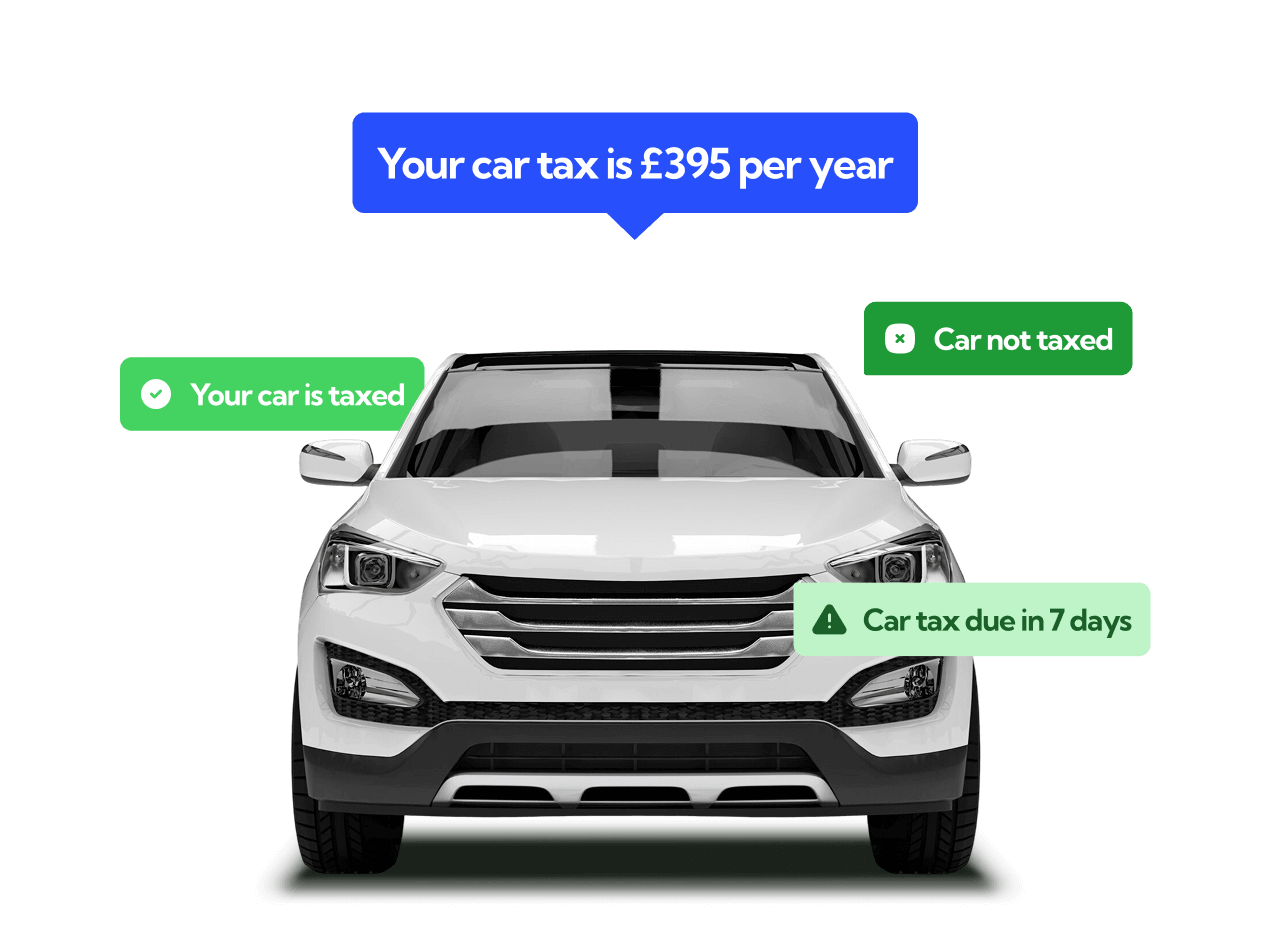
Staying on top of your tax status matters because driving untaxed is an immediate £80 fine (known as a Late Licensing Penalty), not to mention your car could be clamped or impounded. Tax doesn't transfer when a car is sold either, so if you've recently bought a vehicle you need to sort it yourself.
Knowing your renewal date means you won’t have a nasty surprise, and knowing your rate means you can budget for it properly.
Best price given for your car in 30 seconds


How to use the Car.co.uk car tax calculator
Why is it important to use our car tax calculator?
How road tax is calculated in the UK
Pay or renew your car tax
- If your tax has expired or is about to, you're legally required to renew before driving. There’s no grace period.
- You can renew online at https://www.gov.uk/vehicle-tax, by phone on 0300 123 4321 or at any Post Office branch that handles road tax.
- You'll need your V5C logbook, V5C/2 ‘new keeper’ slip or V11 reminder, a valid MOT and insurance cover. Without all three, DVLA won't let you tax the vehicle.
- Tax renews monthly, every six months or annually, so you can pick whichever works for your budget (though monthly and every six months carry a 5% surcharge).


Related Car tax guides




UK legal driving requirements




Frequently asked questions about car tax

Car tax, officially called Vehicle Excise Duty, is an annual tax charged by the government on most vehicles used on UK public roads. The amount you pay is based on your car's age, fuel type and CO2 emissions. It doesn't fund roads specifically (that's a common misconception), it just goes into general government revenue like most other taxes.
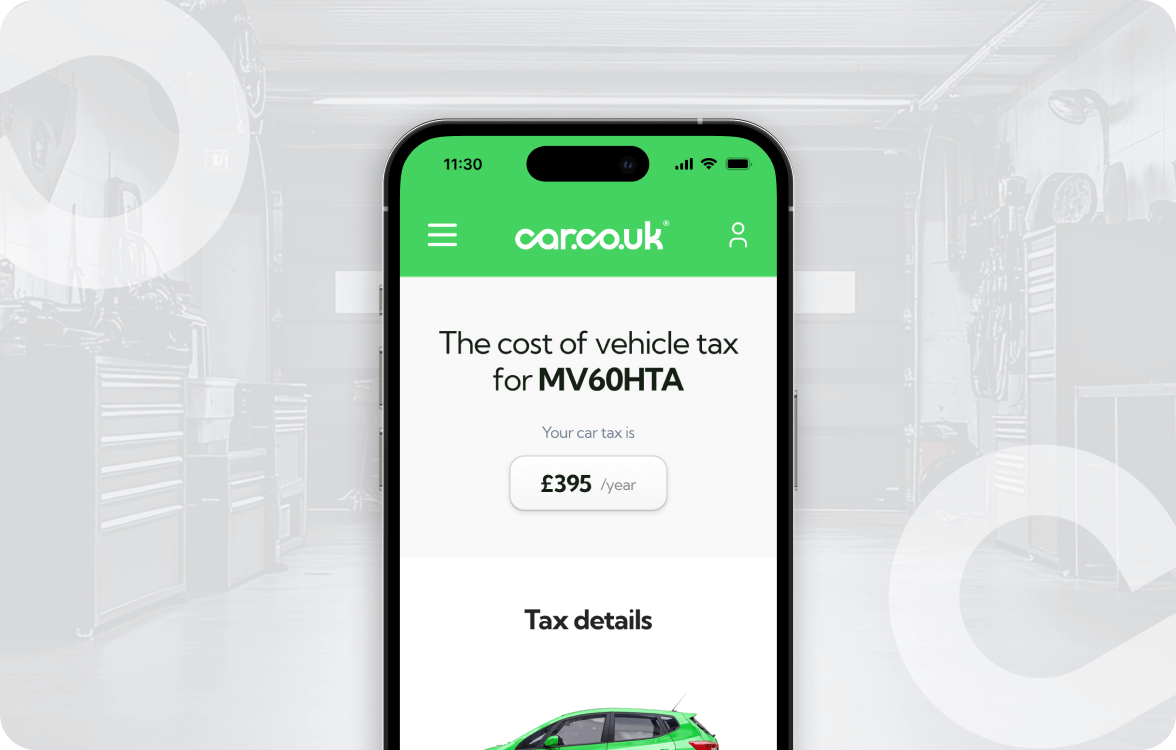
To calculate your car tax, you only need your vehicle’s registration number. Our calculator pulls everything else automatically from the DVLA, including its make, model, fuel type, CO2 emissions, tax amount and current tax status.
Your car tax is no longer free if you drive an electric car. Since 1st April 2025, electric vehicles paid £10 their first year and the standard £195 annual rate (which increases to £200 as of 1st April 2026.
EVs were exempt for years to incentivise drivers to choose them, but the government ended that as electric cars became common enough that the tax revenue gap was too large to ignore.
Yes, just enter the registration number of the vehicle you're considering and we'll pull the full tax details from the DVLA. It's genuinely useful before buying because it shows you the current tax status, renewal date and what you'll be paying annually.
This info is useful for budgeting, and it also flags if the car is currently untaxed, which is worth knowing because it could mean the car has been off the road, uninsured or poorly maintained.
You don't need to check constantly, but it's worth looking up around a month before your renewal date so you're not caught off guard by the cost, especially if rates have changed since you last paid. If you’re thinking of buying a used car, check immediately. And if you're ever unsure whether a vehicle is taxed, just run the reg because it takes about five seconds.
To check if you have to pay the UK Expensive Car Supplement for your vehicle, enter your reg and check the results against two things: whether your car was originally listed at over £40,000 and when it was first registered.
If it was registered after April 2017 and had a list price over £40k, you'll pay the £425 annual surcharge on top of the standard rate for the first five years. Our calculator will flag this if it applies to your vehicle.
Also worth mentioning: from 1st April 2026, all new EVs priced over £50,000 will also owe this tax.
The car tax information through our car tax calculator is 100% accurate because we pull data directly from the DVLA's real-time database. That means what you see reflects your vehicle's actual current tax status and renewal date. It’s not a cached or estimated figure.
Car tax amounts vary by vehicle because VED is calculated based on CO2 emissions, fuel type, registration date and purchase price. A high-emission car registered in 2019 will pay a very different rate compared to a small petrol car from 2010. The system is designed to penalise heavier polluters, at least in the first year.
If your car tax expires, you're breaking the law the moment you drive it on a public road. ANPR cameras are all over UK roads and flag untaxed plates to police and DVLA in real time, so getting caught isn't really a matter of ‘if’.
The fixed penalty is £80, reduced to £40 if you pay within 28 days. If it goes further, you're looking at court prosecution and fines up to £1,000. Your car can also be clamped or impounded on the spot, and you'll pay release fees on top of everything else.
Yes, any vehicle registered in the UK with a valid number plate will work. That includes vans, motorhomes, company cars, classic cars, electric vehicles, and more. If it's on the DVLA database, our algorithm can pull the details.
Different vehicle types do have different VED rates and structures (vans are taxed differently to passenger cars, for example) but the calculator handles all of that automatically.
If the tax cost of your vehicle shows up as “not available”, most likely your vehicle is exempt from paying VED, so there’s no cost to display. Common reasons for this include being a historic vehicle first registered 40+ years ago, a disabled tax class vehicle, certain agricultural machines or vehicles owned by disabled people through the Motability scheme.
From April 2026, the standard rate for most cars, including EVs, increases from £195 a year to £200. First year rates for new cars still vary by CO2 emissions and can range from £10 for EVs up to £5,490 for the most polluting vehicles. If your car had a list price over £40,000 (£50,000 for EVs), add £425 on top of whatever your standard rate is.