Are Black and Silver Number Plates Legal in the UK in 2026?
Black and silver number plates definitely look sharp, but they’re not for everyone. This guide explains who can legally use them, how to stay compliant with DVLA rules, and the risks of getting it wrong. If you’re thinking about fitting classic plates, read this first to avoid costly mistakes.
Last updated: 10th March, 2026

Award-winning CEO driving growth and social impact across automotive, recycling, and technology-led enterprise platforms.
Listen to this story
You’ve probably seen them, those sleek black and silver number plates that give classic cars a timeless look. They’re eye-catching, elegant, and unmistakably vintage.
But here’s the key question: are they legal for your vehicle?
This guide cuts through the confusion and gives you the facts. Whether you’re restoring an old motor or just fancy the aesthetic, we’ll explain who can use them, what the rules are and how to stay on the right side of the DVLA.
What's in this article
- 3. Not eligible? Know what happens…
- 4. How to apply and fit black and silver number plates correctly
- 4.1 Step 1: Confirm eligibility and tax status.
- 4.2 Step 2: Update your V5C with historic classification.
- 4.3 Step 3: Get approval from the DVLA (if you need to).
- 4.4 Step 4: Order plates from a legal supplier.
- 4.5 Step 5: Install plates with correct mounting and spacing.
- 4.6 Step 6: Keep all the documentation handy.
- 5. 5 common mistakes and misconceptions about black and silver number plates
- 6. Why black and white plates are still popular among enthusiasts
- 7. Risks of non-compliance with DVLA rules
- 8. Are black and silver plates legal on all vehicles?
- 9. Which vehicles qualify for black and silver number plates?
- 10. Do black and silver plates need to follow specific design rules?
- 11. Key takeaways
A glimpse into the UK’s number plate history
Black and silver number plates have been part of British motoring heritage since the early days of registration. Before reflective yellow and white plates became standard, these monochrome metal plates were the norm on every vehicle on the road. They had a distinct style that’s still associated with classic British motoring today.
Design features that stand out
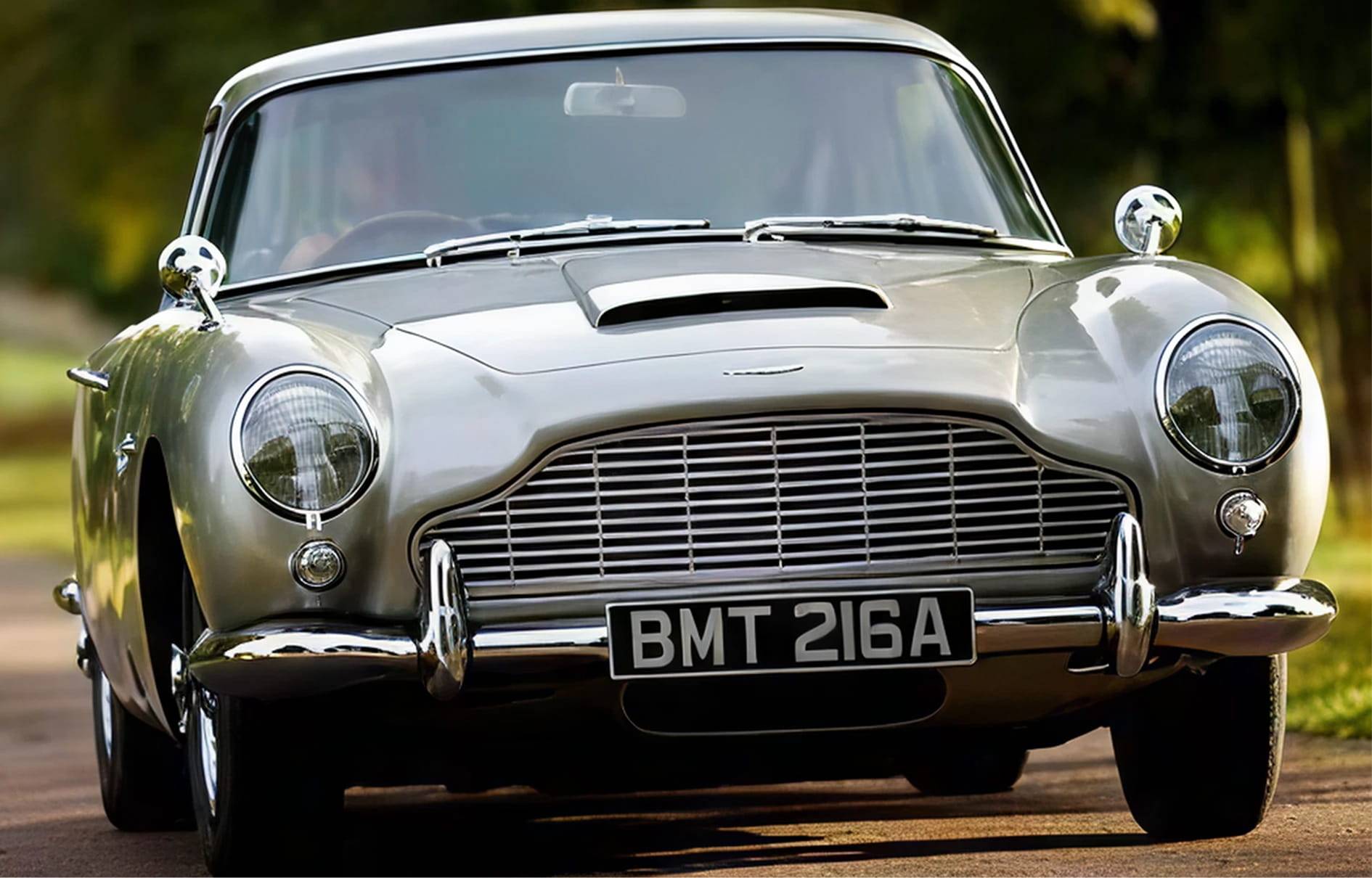
Black and silver plates are made from pressed aluminium, with raised silver characters set against a black background. Unlike modern plates, they don’t include a reflective backing or a national identifier. That simplicity is part of their charm.
Why black and silver plates are still in demand
For classic car owners, these plates are period-correct. They add authenticity to restorations and maintain the historical value of vintage vehicles. Some drivers are also drawn to them for aesthetic reasons, hoping to give their vehicle a retro feel.
Essentially, they reinforce the identity these older vehicles have always had. It’s a clean, classic look that complements the curves and lines of older cars.
Who can use black and silver plates legally?
When you can use black and silver number plates
Only vehicles constructed before 1 January 1980 can legally display black and silver number plates.
Prior to 2021, DVLA allowed older vehicles (over 40 years old) in the historic tax class some flexibility. But as of 1 January 2021, that leeway was withdrawn. The legal cut‑off date is firm: vehicles built after 1 January 1980 are not eligible, even if they belong to the historic tax class.
Eligibility criteria from the DVLA
To fit black and silver plates legally, you must:
- Own a vehicle constructed before 1 January 1980.
- Have applied to DVLA and be registered in the historic vehicles tax class (also known as historic vehicle tax exemption).
That’s it. Not every classic qualifies. The historic vehicle tax status is mandatory. And the construction date is absolute.
Understanding the ‘historic vehicle’ tax class
Vehicles registered in the historic tax class are typically those that are at least 40 years old. They benefit from vehicle tax exemption, though you still need to apply for road tax or declare SORN if you're not using the car on the road. That’s how you formally register the vehicle.
Not eligible? Know what happens…
If you’re not permitted to use black and silver plates and you go ahead anyway, be prepared for serious consequences. At first, you’ll probably get a penalty notice if you’re stopped by the police with a non-compliant plate. But that’ll balloon into larger penalties, MOT failures and possible seizure.
How to apply and fit black and silver number plates correctly
Fitting black and silver number plates is pretty straightforward, but there’s still a formal process you have to go through to make sure you’re all set with the DVLA. If your vehicle qualifies, here’s how to do it properly and stay compliant:
Step 1: Confirm eligibility and tax status.
First, double-check that your vehicle was constructed before 1 January 1980. You’ll also need to ensure it’s eligible for and registered under the historic vehicle tax class. You can verify this through the DVLA’s online services or by checking your V5C logbook.
Step 2: Update your V5C with historic classification.
To register your vehicle under the historic tax class, you’ll need to apply for reclassification in person at a Post Office that handles vehicle tax.
Take the following with you:
- The V5C log book, with you listed as the registered keeper
- Your vehicle tax reminder (V11), if you’ve received one
- MOT evidence, if required (MOT certificate or a printout from the MOT history checker)
- A V112 form, if your vehicle is exempt from MOT
If you don’t have your vehicle registration, fill out a V62 application for a new logbook and bring it along with £25 for the replacement fee.
Step 3: Get approval from the DVLA (if you need to).
Once approved, the DVLA will return an updated logbook showing the “historic” tax class. If you’re due a refund for unused months of road tax, you’ll get that, too. In most cases, once your tax class is updated, you don’t need separate approval for black and silver plates.
But if your vehicle’s history is unclear or you’re using non-standard documents to prove its age, the DVLA may ask for further verification. In rare cases, an inspection could be required.
Step 4: Order plates from a legal supplier.
Buy your black and silver plates from a DVLA-registered number plate supplier. This guarantees the plates meet legal construction standards and that your order is properly documented. You’ll usually need to show ID and proof of ownership (like your V5C or retention certificate).
Step 5: Install plates with correct mounting and spacing.
Even classic plates have to follow spacing and sizing rules. When mounting your plates:
- Make sure the character spacing is correct and legible.
- Avoid non-standard fonts or decorative screw covers.
- Secure the plate properly (no wobbly brackets or DIY fixes).
- Incorrect spacing and positioning can lead to fines and MOT failure, just like modern plates
Step 6: Keep all the documentation handy.
Once your black and silver plates are fitted, always carry your updated V5C showing the historic tax class and any supporting documents or DVLA correspondence. This protects you in the event of MOT queries and police stops. It’s also helpful for future resales or inspections.


5 common mistakes and misconceptions about black and silver number plates
Below are the five most common mistakes we see tripping drivers up, even those with genuine classic cars.
1. Using them just for the look
Some drivers fit black and silver plates purely for aesthetics (who doesn’t love the retro style?). But unless your vehicle was built before 1 January 1980 and meets DVLA criteria, you can’t use these plates.
A big reason these plates were phased out is safety. Unlike modern yellow and white plates, black and silver ones aren’t reflective, making them almost impossible to read in low light and poor weather.
The DVLA made compromises for older vehicles because:
- They’re driven less frequently, often only in fair weather or on weekends.
- Owners prioritise historical accuracy, especially for show or preservation purposes.
For everyday vehicles, the law is clear: style isn’t a valid reason to ignore safety regulations
2. Assuming all classic cars qualify
To qualify as a classic car, the vehicle just needs to be built or first registered more than 40 years ago. If the vehicle was built on or before 1 January 1985, it qualifies for vehicle tax exemption. So, there is a five-year window (1980-85) where you can claim ‘historic’ status for your car but cannot put black and silver plates on it.
3. Ordering from unregistered plate sellers
If you buy plates from an unregistered seller, you risk receiving a plate that’s illegal in terms of font, spacing, or materials. Chances are, it’s not that much less expensive (if at all), and you’ll get a ticket and fail your next MOT because of it.
4. Failing to update the vehicle’s tax class
A surprising number of owners forget this step. Your V5C must show the vehicle is taxed under the historic class. Without that, even a pre-1980 car doesn’t qualify. This change has to be made at a Post Office, not online.
5. Poor plate fitting or incorrect font size
Legal plates must be mounted properly and use standard font sizing and spacing. That applies to black and silver plates too. Incorrect fonts, tight spacing and stylised fittings (like screw covers in place of letters) will fail an MOT and attract attention from the police.
Why black and white plates are still popular among enthusiasts
Classic black and white number plates are more than just a style choice. For many, they’re about authenticity. These plates match the era of the vehicle, so they preserve its original character and showroom-correct look. At shows and concours events, using the correct plate style even influences judging.
There’s also a cultural pull. Black and silver plates are tied to a golden age of British motoring — Jaguar E-Types, Triumphs, old Land Rovers. To enthusiasts, they signal that a car has history, personality, and a story behind it.
And yes, they look phenomenal, especially on polished chrome and curved metal.
Risks of non-compliance with DVLA rules
If you decide to use black and silver number plates when your vehicle doesn’t qualify, it’ll create serious legal, financial and practical issues.
£1,000 fine and MOT failure
Illegal number plates lead to an on-the-spot fine of £100, but if the case is escalated, you’ll be hit with up to a £1,000 fine. Worse still, incorrectly fitted or non-compliant plates are a common reason for MOT failure. You’ll be forced to fix the issue before your car can legally be driven again.
Risk of being pulled over by police
Black and silver plates stand out, and not just to car fans. If you’re using them unlawfully, there’s a high chance the police will spot it and pull you over. You could be issued a Vehicle Defect Rectification Notice, giving you just 14 days to switch to legal plates and provide proof.
Think about it: every driver uses the reflective white and yellow plates and it’s well-known that black and silver ones are for historic vehicles. If your 2019 Ford Focus has one, it’s immediately recognisable even by people who aren’t familiar with all the DVLA’s rules.
Insurance claim issues if the vehicle is non-compliant
If you’re in an accident and your insurer finds your number plates don’t comply with DVLA rules, they might refuse to pay out. Some insurers will even go so far as to void your policy entirely if they believe the vehicle was being driven illegally at the time.
Vehicle registration may be suspended or flagged
Persistent non-compliance or use of misleading number plates could potentially lead to your vehicle being flagged or suspended in the DVLA’s system. In rare cases, the DVLA may revoke your registration rights until you correct the issue and have it formally reviewed.
Trouble selling the vehicle later
When it comes time to sell, a car with black and silver plates that shouldn’t have them raises red flags. Most buyers just want a car that’s legal to drive and don’t want to risk getting a fine for having an illegal plate. Some will suspect hidden issues or lack of care. And dealers might refuse to part-ex or list it until the vehicle is corrected.
What the experts say

Anthony Sharkey

Are black and silver plates legal on all vehicles?
No. Black and silver number plates are not legal on all vehicles. They are only allowed on vehicles constructed before 1 January 1980 and registered under the historic vehicle tax class with the DVLA. Using them on newer cars is illegal, even if the vehicle looks “classic”.
Which vehicles qualify for black and silver number plates?
To qualify, a vehicle must meet both of the following criteria: constructed before 1 January 1980 and registered with the DVLA in the historic vehicle tax class.
Vehicles that meet only one of these conditions do not qualify. For example, a 1981-built vehicle taxed as historic is still not eligible.
Do black and silver plates need to follow specific design rules?
Yes. Even though they’re old-style, black and silver plates still have to follow DVLA rules for:
- Font style (standard, legal characters only)
- Character height and spacing (79mm tall, 14mm stroke width)
- Plate material (pressed aluminium)
- Secure mounting (no tilted plates or novelty fixings)
Key takeaways
Black and silver number plates will always carry a nostalgic charm that continues to appeal to classic car enthusiasts across the UK. As 1980 gets further and further away with time, that’ll be even more the case.
But it’s important to remember they’re not just a visual upgrade, they’re a legally protected style reserved for a specific group of vehicles. If your car was built before 1 January 1980 and is properly registered in the historic tax class, you’re in the clear. If not, the consequences can be serious: fines, MOT failures and insurance problems are just the start.
The DVLA’s rules may feel strict, but they exist for safety and consistency. Follow the right process, use the correct documentation, and make sure your plates match your car’s status.
Frequently asked questions
No. It doesn’t matter how retro your car looks or how much you prefer the style; black and silver plates are strictly reserved for vehicles that meet DVLA eligibility rules. If you’ve just bought a new or used car, your only (legal) choice is to get white and yellow reflective plates.
Yes. Misusing black and silver plates can lead to a £100 fixed penalty or up to £1,000 in fines, a Vehicle Defect Rectification Notice, an MOT failure and potential issues with vehicle registration and resale.
Yes. To use black and silver plates legally, you’re required to prove that your vehicle was constructed before the legal cut-off and is registered under the historic tax class. You may need to show your V5C logbook, MOT exemption and other documents when applying at the Post Office or ordering plates.
They can. If your plates don’t comply with DVLA rules due to incorrect eligibility, design or spacing, your car might fail its MOT. Insurance can also be affected. Some providers refuse claims or invalidate policies if they discover the vehicle was being used with illegal modifications, which includes non-compliant plates.
About Car.co.uk

Share on
Latest news & blogs