Power Steering Pump Failure: Signs, Causes and Fixing Methods
A failing power steering pump makes your steering heavy, unpredictable and dangerous. This guide shows you the causes, symptoms, repair options and real UK costs so you know exactly what you’re dealing with and whether it’s worth fixing or time to move on.
Last updated: 17th January, 2026

Anthony Sharkey is COO at New Reg Limited (Car.co.uk, Trader.co.uk, Garage.co.uk), driving innovation in vehicle recycling, logistics, and customer experience.
Listen to this story
If you noticed the steering has gone heavy and the wheel doesn’t return to centre as smoothly, that’s an issue with your power steering. And if you’re also noticing a fluid leak or whining noise, you’ll know for sure it’s the pump.
This gets more and more common as you put more miles on the car. Aside from wear and tear, it normally happens because either your fluid levels are too low or the system is contaminated – both of which are straightforward fixes.
Good news is, most of these pump failures follow predictable patterns and spotting them early will save you a lot of money and stress.
This guide breaks down what the pump actually does, why it fails, the symptoms you shouldn’t ignore and what your repair options look like in the UK.
What's in this article
What is a power steering pump?
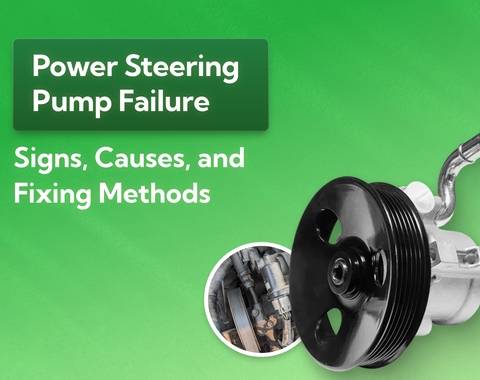
The power steering pump is the component that pressurises the steering fluid, giving you that light, effortless steering feel. The pump sends fluid through the system to help the steering rack move smoothly, particularly at low speeds where you need the most assistance.
Here are the exact steps the power steering pump follows:
- The pump draws fluid from the reservoir and feeds it into the internal chambers.
- A rotating vane or gear mechanism pressurises the fluid, creating the hydraulic force the system relies on.
- Pressurised fluid is sent to the steering rack, where it assists the rack-and-pinion movement.
- The fluid returns to the reservoir to be cycled again.
- A built-in pressure relief valve prevents over-pressure to protect the seals, hoses and rack.
Power steering systems fall into three categories: hydraulic, electric and electro-hydraulic. Inside a hydraulic system, the pump can be a vane, roller or slipper design. A vane pump (most common) uses sliding vanes in a rotor. A roller pump uses rollers that track along the housing. A slipper pump uses curved slippers that glide within the rotor slots.
Only hydraulic and certain electro-hydraulic-based setups actually use a pump. Pure electric systems, which nearly all new passenger cars are built with, don’t need one.
What are the causes of power steering pump failure?
Wear, contamination, and low fluid levels are the primary causes of power steering pump failure. The reason for this is that the pump runs through a continuous loop every second your engine is on, so the compounding effects of these issues happen very quickly.
In reality, plain old wear is the biggest culprit. Belts stretch, pulleys wobble, hoses harden or start leaking and all of these result in the pump working harder than it was ever designed to. Once the belt slips or the system can’t hold the right pressure, the pump loses efficiency, overheats and gradually starts to fail.
These are the common causes of power steering pump failure:
- Low power steering fluid: When fluid levels are too low, the system can’t lubricate the pump properly, which builds internal friction. The extreme heat and harsh contact this creates will quickly score the internal surfaces and destroy the bearings. Generally, this happens because there’s a leak in the power steering system or something is causing it to evaporate, like heat from the engine bay or a cracked reservoir cap. The most common warning sign of this is hard/stiff steering because the fluid is what creates hydraulic pressure and without enough of it, the pressure drops.
- Contaminated or old fluid: When the pump pushes metal particles and debris through the system, that contamination sands down the vanes and housing until the pump can no longer build enough pressure. Old fluid naturally gets contaminated over time, but dirt, air and moisture can also get inside if failing seals let it in or if debris is introduced during previous repairs. If contamination is what’s causing it, you’ll notice discolouration or a burnt smell in addition to weaker power steering performance.
- Wear and tear of the pump: With prolonged use and high mileage, the pump’s seals harden and start to leak, gears and vanes lose their sharp edges and internal clearances widen enough to let more pressure escape. Efficiency drops gradually as the pump starts to die and you usually notice all the signs when this is the case: heavier steering, intermittent power steering assistance at low speeds, whining noises and fluid seepage around the pump body. Once the pump can’t hold steady pressure or the noise becomes constant, you’ll know the unit’s worn out and needs replacing rather than repairing.
- Faulty belts, pulleys or hoses: If the belt starts slipping or glazing, the pump simply isn’t driven fast enough to generate the right amount of hydraulic pressure. A misaligned or failing pulley does the same thing by causing inconsistent or weak assistance whenever the engine changes speed. And cracks in the hoses drop system pressure so the pump has to work twice as hard for the same results. All of these issues stress the entire system, so you’ll spot trouble through squealing on start-up, intermittent heavy steering, visible belt wear and fluid spots under the car. If any of these appear, the pump’s not far behind in developing its own issues.
- Air or moisture in the fluid: Air bubbles and moisture ruin your pump by cutting the hydraulic stability it relies on. Aerated fluid can’t lubricate or cool properly, so the pump overheats and its internal surfaces start to score. Moisture corrodes the internal components, weakens their seals and creates rust particles that circulate through the entire system. If you see foamy fluid in the reservoir along with a spongy or inconsistent steering feel and whining noises that change with steering input, this is what’s causing it. Fixing it means bleeding the system to remove trapped air, replacing any leaking hoses or seals, and flushing the fluid to get rid of moisture before the pump suffers permanent damage.
How to fix power steering pump issues?
Start by checking for leaks, low fluid or air in the system. These are cheap, fast wins and often restore proper steering feel immediately.
If the fluid is old, contaminated, or looks foamy, a system flush is the next sensible step. Only when these basics fail to bring the steering back to normal should you move on to the bigger job of replacing the pump entirely.
Here are the steps you should take to fix power steering pump issues, in order:
- Fix power steering fluid leaks: Find the leak by checking the reservoir, hoses, pump body and steering rack for wet spots or drips. Tighten loose connections first because a good amount of leaks stem from simple vibrations. If the leak is coming from a cracked hose or a worn seal, replace the part rather than relying on quick-fix additives. Sealant occasionally helps with tiny weeps as a temporary solution, but anything more than a light seep will need a full hose or seal replacement to keep the system pressurised and the pump protected.
- Top off power steering fluid: Refer to your owner’s manual and use the exact fluid type your car requires. Mixing the wrong fluid will damage the seals and shorten your pump’s life. With the engine off and cool, remove the reservoir cap, add fluid gradually and bring it up to the recommended mark. Doing this properly will restore lubrication and help the pump build stable pressure again. If low fluid was causing light steering issues, this will fix that. If the level keeps dropping after topping off, though, you’ve got a leak that needs attention before the pump suffers permanent damage.
- Flush the power steering system: Flushing removes contaminated fluid, air and moisture before they can damage the pump. It’s worth doing when the fluid looks dark and gritty or has lots of foam, as well as when the pump has already been noisy for a while. You can DIY it by draining the reservoir, refilling with fresh fluid and cycling the steering until the old fluid is pushed out, but a professional flush is more thorough. Clean fluid helps the pump hold pressure properly, reduces noise and slows further wear.
- Replace the power steering pump: If the pump is worn out, leaking internally and can’t hold the right pressure after you’ve done those basic fixes, replacement is now the only real option. The job involves removing the drive belt, disconnecting the hoses, unbolting the old pump and fitting the new unit with fresh seals. Always match the replacement pump to your exact engine and steering system (listed in your owner’s manual) to avoid compatibility issues. And once you’ve installed it, refill the reservoir and bleed the system to remove trapped air.
- Fix air or moisture in the power steering fluid: Start by checking the reservoir. Foamy fluid means air and cloudy or milky fluid points to moisture. To remove air, bleed the system: with the engine running, turn the wheel slowly, lock to lock, pause, then stop steering and top up the reservoir. Repeat that process until the foam clears. Moisture, on the other hand, can’t be bled out, so a full flush is the only fix. Once the fluid looks clean and stable, tighten hose clamps, replace cracked lines and make sure the reservoir cap seals properly to prevent the problem from coming back again.
What the experts say

Steven Jackson OBE

How much does power steering pump repair or replacement cost?
To repair or replace your power steering pump, you’re looking at anywhere from £100 for a simple leak or hose fix on a typical economy car to £500+ for a full pump replacement, with some luxury models and serious system repairs pushing £1,000.
Where you live, the car you drive and how bad the issue is make up most of the final cost.
Average costs for power steering pump repair (UK, 2026)
On average in the UK, expect to pay somewhere between £100 and £250 for a minor repair like fixing leaks, replacing hoses or seals and flushing contaminated fluid out of the system. The exact cost depends on what’s failing, how easy it is to access and whether the pump has suffered any internal wear that makes repair less effective.
Since the parts themselves are cheap and you’re mostly paying for the labour, local hourly rates also matter a lot. In the table below, you’ll see the low-end cost for an hour’s worth of work, which is what you’ll pay in smaller towns. On the higher end, that’s what you’re going to pay in large cities like London.
*Refurbishment only applies if the pump housing and internals are still in good shape. Many garages won’t do this unless the unit is relatively fresh.
Repairs are worth it when the problem sits outside the pump, with other parts of the system. Those issues are cheap to fix and usually restore normal steering feel immediately. If, however, the pump is noisy, scoring internally or struggling to hold pressure even after a flush, repair isn’t realistically possible.
Cost to replace your power steering pump (UK, 2026)
Replacing a worn-out or failed power steering pump in the UK costs between £150 and £500. Most drivers pay around £200 to £400, but if you drive a higher-end model, need extra steering work or live somewhere with high labour rates, the job can easily hit £500 or more.
Additional costs to consider
It’s really common for power steering pump replacements to uncover other issues that’ll add to your final bill.
Those include:
- Hoses, seals and reservoir replacement (£20 to £150): Any cracked or leaking components will have to be swapped out to keep the new pump protected.
- Steering rack jobs (£150 to £500 for repairs; £500+ for replacement): If the rack is leaking internally, the cost rises dramatically and you’ll need a separate repair.
- System flush and fresh fluid (£50 to £100): Almost always required after pump work to clear debris, air, or moisture.
- Diagnostic checks (£20 to £60): Helps confirm whether the pump failed alone or if belts, pulleys, or the rack contributed.
- Wheel alignment (£40 to £80): Sometimes needed if the steering felt off before the repair or if related components were disturbed.
These extras can push the total cost higher, so you should go into this budgeting with a little headroom.

Is it worth fixing your power steering pump?
Whether it’s worth fixing your power steering pump really comes down to maths and the overall health of the car.
If the vehicle is in decent condition and the pump is the only major issue, the repair is usually a smart spend. But if it’s fighting multiple problems with the steering rack, suspension, engine or general maintenance issues that come with high mileage, it’s the start of a bigger decline
At that point, paying a few hundred pounds for a pump on a low-value car doesn’t always make financial sense.
When to repair your power steering pump
Repairing the pump is worth it when the car is still reasonably valuable and has 5+ years of life left in it. Consider repairing your power steering pump if the car…
- Is < 10 years old
- Has moderate mileage
- Isn’t showing signs of broader mechanical fatigue
- Has no other big repairs coming up
If it ticks any of those boxes, a £300 repair will be far cheaper than replacing the car.
It’s also a sensible choice when the issue happened because of a simple leak or fluid contamination rather than a failing rack or major engine problem.
When to consider scrapping your car
Scrapping makes sense when the repair cost is greater than 50% of the car’s market value, or when the pump failure is only one of several looming expenses. If you’ve got…
- High mileage (100k+)
- Rust issues
- A leaking steering rack
- An upcoming timing belt, clutch or suspension bill
…sinking more money into the pump is a losing game. When the total cost of getting it roadworthy again edges close to or exceeds what the car is actually worth, scrapping your car will save you money, hassle and a cycle of never-ending repairs.
Frequently asked questions
Power steering pump failure does not directly affect your braking system because the pump doesn’t control your brakes and the two are completely separate systems. Even if your power steering system starts to fail, your brakes will continue to work like normal.
If the steering is heavy, whiny or jerky but the fluid level, belt condition and hoses are all totally fine, the power steering pump is what’s most likely causing the issue. But if you see fluid around the rack, uneven steering assist or intermittent pressure loss, the rack or hoses may be failing as well as or instead of the pump.
It’s not safe to drive a car with a noisy power steering pump because the noise usually means low fluid, internal wear or trapped air, all of which will lead to a sudden loss of steering assist. You might manage at speed, but tight turns, roundabouts and parking become unpredictable and dangerous.
Most UK warranties allow an aftermarket power steering pump as long as it meets OEM spec and is fitted correctly. Problems only come up when the pump itself causes damage or doesn’t match your vehicle’s requirements.
Always keep receipts and have a VAT-registered garage handle the install. And double-check which parts your manufacturer supports if you want full protection.
About Car.co.uk

Share on
Latest news & blogs