Fuel Pump Failure: Causes, Symptoms and Repair Solutions
A failing fuel pump isn’t all too common, but it can ruin your whole engine if you don’t address it ASAP. This guide walks you through everything you need to know about fuel pump failure, plus how to decide whether it’s worth fixing in the first place, or better to scrap the car.
Last updated: 17th January, 2026

Anthony Sharkey is COO at New Reg Limited (Car.co.uk, Trader.co.uk, Garage.co.uk), driving innovation in vehicle recycling, logistics, and customer experience.
Listen to this story
A fuel pump’s whole job is simple: move petrol or diesel from the tank to the engine at the right pressure. When it starts failing, the engine gets starved of fuel and the car behaves like it’s running out of breath. It hesitates, stalls and might refuse to start altogether.
This is one of those faults that really sneaks up on people because early symptoms are subtle. Knowing how fuel pump failure shows up (and why it happens) makes it far easier to avoid breakdowns and spot problems before they become expensive.
In today’s guide, you’ll learn everything about fuel pump failure: why it happens, how to spot it, what you can do to fix it and what it’ll cost to do so.
What's in this article
What does the fuel pump do?
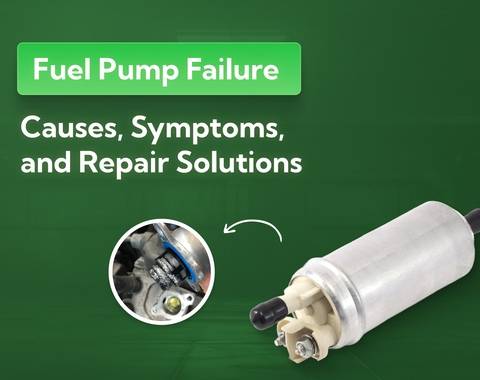
The fuel pump’s main function is to move fuel from the tank to the engine and deliver it at the exact pressure the engine needs. Consistent flow plus consistent pressure equals consistent combustion. If the fuel pressure drops, injectors don’t atomise the fuel properly, so the mixture runs lean and the engine stumbles or cuts out.
There are two main types of fuel pumps: mechanical and electrical. Mechanical pumps are driven by the engine and were common on older, carburetted cars. Electrical pumps are standard in modern vehicles. They sit in or near the fuel tank and provide more precise, reliable pressure for fuel-injected engines.
Let’s take a closer look at what exactly the fuel pump does:
- Transports fuel from the tank to the engine: The pump draws uses an electric motor and internal impeller (or gears/vanes, depending on design) to physically pull fuel from the tank and push it along the fuel lines towards the engine. That way, the supply remains constant even under load. Without that steady flow, the engine is starved of fuel, combustion becomes erratic and performance drops.
- Maintains consistent fuel pressure: Modern fuel pumps have an integrated pressure regulator and pre-1990s ones work with one on the fuel rail. The regulator opens and closes a return path to the tank, bleeding off excess pressure and keeping the system at a set PSI. With pressure held steady, each injector opens for a precise amount of time and sprays the correct quantity of fuel into the cylinders. This keeps combustion smooth and efficient.
- Supports engine performance during acceleration: When you hit the gas, the pump ramps up flow to meet the engine’s higher fuel demand, holding pressure stable even as the injectors open longer and more frequently. This prevents the mixture from going lean and avoids flat spots or hesitation. In hard acceleration, that extra, steady delivery is what lets the engine pull cleanly without stumbling.
- Works with the fuel system to monitor fuel levels: In-tank pumps share a housing with the fuel level sender (a float and variable resistor that moves with the fuel). As the float drops, the sender changes its electrical signal. The pump module passes this data to the dashboard gauge. That’s how your car knows to alert you when fuel is low, how efficiently you’re burning it and how many miles you have ‘til empty.
- Helps in cold starts and idle conditions: When the engine is cold, it needs a richer fuel-air mixture in order to catch and build those first stable combustion cycles. The pump delivers pressurised fuel instantly so the injectors can supply that extra fuel without delay. At idle, the demand is low but precision matters because the engine is only using tiny, carefully metered injections of fuel. Here, the pump keeps a steady flow by holding constant pressure in the fuel rail, letting the injectors open for very short pulses.
What are the causes of fuel pump failure?
Fuel pump failure usually comes from simple wear and tear, but clogged fuel filters, running the tank low and contaminated fuel all speed things up as well because they force the pump to work harder. Also, electrical faults like bad wiring and weak voltage can stop the pump from spinning properly. If that happens, pressure drops, causing sudden or repeated failure.
The main causes of fuel pump failure are:
- Fuel pump wear over time: Inside the pump, the electric motor, bearings and impeller are constantly spinning, moving fuel every second the engine runs. Over time, those moving parts lose efficiency, generate more heat and have a hard time maintaining the proper pressure. As they wear out, fuel delivery weakens and the pump eventually can’t supply enough flow to keep the engine running reliably.
- Clogged fuel filter: A blocked fuel filter restricts the flow of fuel to the pump. This makes the motor run hotter and harder just to maintain the ideal pressure. Dirt, rust and debris in the fuel system clog the filter over time, starving the pump of flow and shortening its lifespan. Replacing the filter on schedule is the easiest way to prevent this from happening.
- Low fuel levels: The pump relies on the fuel in the tank to cool and lubricate its electric motor. When the tank runs low, the pump’s electric motor isn’t fully submerged, so it loses that cooling bath and starts overheating. The hotter it runs, the quicker the motor windings and bearings burn out. If you top up once you drop to around a quarter-tank, you’ll avoid most of the risk.
- Contaminated fuel: Water, dirt and grit can get into the fuel tank and be pulled straight through the pump. That abrasive mix grinds down the impeller and bearings, and water can corrode the motor internally. Contaminants also clog the filter faster, which, again, overworks the pump. So when your fuel is constantly contaminated, the pump will give out tens of thousands of miles before it’s supposed to.
- Failing oxygen sensor: Since the pump is in charge of pushing fuel at the pressure the injectors expect, a bad O₂ sensor can seriously throw the system off. The sensor monitors the exhaust to keep the air–fuel mixture balanced. When it sends inaccurate readings, the ECU demands too much or too little fuel. The pump ends up chasing those wrong targets, running harder than intended and wearing out faster.
What are the common symptoms of a failing fuel pump?
A weak fuel pump shows itself in the form of stalling, hard starts, poor acceleration, rough idle, strange noises from the tank and dips in the car’s fuel economy. Each symptom comes from the same root problem: the pump can’t deliver steady fuel or pressure.
These signs are subtle but predictable. And spotting them early matters because a struggling pump can quickly leave you stranded or damage other fuel system components.
- Engine stalling and misfiring: A failing pump can’t keep consistent pressure in the fuel rail, so the engine suddenly runs lean. When fuel delivery drops mid-cycle, combustion falters and you feel it as an engine misfire or outright stalling. It’s most obvious when you're sitting idle at a light or accelerating from low speed, because those are the times when the pump struggles hardest to meet changing fuel demand.
- Difficulty starting the vehicle: A weak fuel pump takes longer to spin up or can’t hit the required pressure at all, so the injectors don’t deliver enough fuel to ignite. This is a problem because on start-up, the pump needs to build pressure instantly. When it doesn’t, you’ll have to crank the ignition a few extra times to get it to work. If the pump’s on its last legs, the ignition might not even start at all.
- Poor acceleration and power loss: A worn pump can’t increase its output quickly enough to support the sharp increase in fuel flow needed when you put your foot on the gas. Because of this, the mixture leans out and the engine will feel flat. This issue presents itself mostly in situations where you need to increase your speed quickly, such as when you’re overtaking someone or pulling onto a motorway.
- Whining noise from the fuel tank: A high-pitched whine from the tank is one of the earliest warning signs the fuel pump is starting to fail. It happens when the pump’s electric motor or bearings are wearing out and forcing it to spin harder than normal. That strained, metallic whine usually means the pump is running dry and overheating from the friction, both of which are conditions that will destroy the system if you keep driving.
- Surging or erratic engine behaviour: When the pump is unable to regulate the fuel’s flow and pressure, the engine gets inconsistent fuel delivery and therefore can’t run smoothly. You feel that as surging, hesitation and jerky throttle responses. Besides being annoying, it’s unsafe in traffic because you can’t be 100% sure how the car will respond when you hit the gas pedal.
- Reduced fuel efficiency: Fuel pump failure sometimes triggers incorrect mixture corrections from the ECU. When the engine tries to compensate for the pressure drop from this, it burns more fuel in the process. That creates a noticeable and potentially significant drop in fuel efficiency. This tends to show up before the more dramatic symptoms, so if you’re spending twice as much per month on gas or making what feels like too many fuel stops, take the hint that something in the system isn’t right.
How can you repair fuel pump failure?
The first thing you need to do to address the issue is confirm the pump is actually the problem. Rule out electrical faults and check the rest of the fuel system.
Some of these steps and the ones following are straightforward with basic tools, but others (like working with pressurised fuel lines and removing the in-tank fuel pump module) demand care and proper safety gear.
If the job feels outside your comfort zone (in most cases it is), a qualified mechanic is the safer route.
- Diagnose the fuel pump issue: Start by confirming the pump is the real culprit. Check for the classic symptoms like slow starts, stalling and weak acceleration, then use an OBD2 scanner and see if it returns fuel-pressure-related codes. Listening for the pump priming when you turn the key helps too. If pressure readings are low but voltage to the pump is correct, you have your answer. The pump is probably failing.
- Replace the fuel pump: As mentioned earlier, modern pumps sit inside the fuel tank as part of a complete module. To remove it, first relieve pressure from the fuel system and disconnect the battery. Then remove the tank access panel or lower the tank depending on the car. Swap the old module for a new one, making sure seals and hoses are seated properly. Work in a well-ventilated area and avoid sparks because petrol vapour ignites easily and will potentially cause a fire or explosion if you don’t handle it properly.
- Inspect and replace fuel filters: A clogged filter occasionally mimics pump failure (or causes it). Check both the main filter and any pre-filters in the tank. If you see rust, sediment, or dark debris inside the filter, replace it immediately. A fresh filter helps the new pump maintain proper pressure and extends its lifespan.
- Check electrical connections: A weak pump isn’t always a bad pump. Inspect the fuel pump relay, fuses and wiring for corrosion, loose terminals or melted connectors. Measure voltage at the pump connector because low voltage usually means an upstream electrical fault. Fixing a damaged wire or a dying relay is far easier than replacing an entire pump.
- Test fuel pressure: Use a fuel pressure gauge on the fuel rail to confirm the pump’s output. Compare the reading to the manufacturer’s spec at idle and under light throttle. If the pressure is low or fluctuating and the electrical supply checks out, it’s the pump or regulator that’s at fault. Stable, correct pressure means the pump is healthy.
- Seek professional help if needed: If the fault traces back to wiring deep in the loom, an ECU issue or anything that requires dropping a full tank safely, you’re generally better off letting a professional handle it. Fuel system work is messy, flammable and easy to get wrong. A mechanic will be able to pinpoint the issue quickly and ensure the job’s done safely.
What the experts say

Steven Jackson OBE

How much does it cost to fix a fuel pump?
Fixing a fuel pump in the UK usually costs £350 to £900, though it can swing anywhere from £200 to over £1,200. The big drivers are the car’s make and model, whether it uses a simple or very integrated pump module, and how easy the tank is to access.
Labour is the other big factor. It can be relatively modest (£80 to £140 per hour, depending on location) if there’s an access panel under the rear seat or boot carpet. If the tank has to be dropped, especially on larger or more complex cars, it’ll easily climb to £250 to £400+.
Below, you’ll find a full cost breakdown for fuel system repairs and fuel pump replacements.
Cost breakdown for fuel pump repair (UK, 2026)
A fuel pump generally can’t be repaired once it starts to fail. The internal motor, bearings, and impeller wear out, and the whole module has to be replaced.
But here’s where a lot of drivers get tripped up: the symptoms of a dying pump look identical to several cheaper and far simpler faults like a clogged fuel filter or dirty injectors. Modern fuel pumps are generally reliable and long-lasting (100,000+ miles or the life of the vehicle). So true fuel pump failure is not all that common.
Before thinking you have to commit to a full pump replacement, it’s worth understanding what the rest of the fuel system costs to inspect or fix. Below is how the numbers usually break down.
Price swings for these system repair jobs mostly come down to two things:
- Make/model: Some cars, like BMW 3 Series, Audi A4, Mercedes C-Class and Range Rover Evoque use expensive model-specific pump modules or have tanks that are awkward to remove. Labour and parts climb quickly as a result.
- Location: Labour rates shift massively across the UK. Independent garages in smaller towns may charge £50 to £80 per hour, while main dealers and city centre workshops in London and the South East sit between £100 and £140 per hour. The same repair can cost a couple hundred more purely based on postcode.
Fuel pump replacement price (UK, 2026)
Fuel pump replacement prices generally sit between £350 and £900, but can climb as high as £1,200+. What goes into this is the parts cost, labour time and how the car itself is designed, all of which are highly variable.
Below is a table that gives you a clear snapshot of what drivers typically pay in the UK, including the price of the actual pump module and the hourly rates garages charge in different regions.


Is it worth fixing the fuel pump?
Whether it’s worth repairing a failing fuel pump really comes down to the maths: the value of the car, the overall condition it’s in and how much the repair will cost relative to what the vehicle is still worth.
A fuel pump replacement isn’t the cheapest job, but it’s an awful lot cheaper than replacing the vehicle outright if the rest of the car is in good shape. On older, high-mileage cars with multiple known faults, the economics shift and putting more money in is just delaying the inevitable.
When it’s worth fixing the fuel pump
It’s almost always worth fixing the pump on a newer or well-maintained car, especially if it’s still running reliably apart from the pump issue. A few hundred quid on a repair is sensible if the car has 5+ years of life left in it.
It’s even more cost-effective when:
- You caught the symptoms early.
- The tank is easy to access.
- There are no big repairs looming.
Fixing the pump will restore your car’s drivability and avoid the knock-on damage that running a weak pump can cause to injectors and sensors. So it’s money well spent unless the car’s already near the end of its life.
When scrapping the car is a better option
Scrapping makes sense when the repair cost is close to (or greater than) 50% of the value of the car. Since fuel pump replacement is at most a low-£1,000s job, that generally applies to old/high-mileage vehicles and those with other underlying issues.
It’s worth considering scrapping your car if it has:
- 120k+ miles and general age-related wear.
- Structural rust or corrosion developing.
- A worn clutch or failing gearbox.
- Failing emissions components.
In these cases, the fuel pump isn’t the real problem. It’s more of a sign the car is nearing the end of its economical life.
Frequently asked questions
You technically can drive with a failing fuel pump, but you really shouldn’t because a weak pump can cause sudden power loss, stalling or complete breakdown. As the fuel pressure drops, the engine runs lean, which will damage injectors and sensors. So if you suspect pump trouble, take it to the mechanic’s ASAP.
Most fuel pumps last 100,000 to 200,000 miles or the entire life of the vehicle, but lifespan depends on your driving habits, fuel quality and maintenance. Constantly running the tank low and having a clogged filter will shorten its life by 25,000 to 50,000 miles.
Fuel pump failure is normally covered under a manufacturer or extended warranty, but only if the failure wasn’t caused by contamination, lack of maintenance or aftermarket modifications. Always check your policy’s exclusions. And be prepared to prove these things if you have to file a claim.
If you don’t address a failing fuel pump, it will eventually lead to hard starts, stalling and a total engine shutdown. Low pressure will also stress the injectors and might trigger further fuel-system issues that make the final repair bill much higher.
Yes, a dirty tank sends debris and sediment straight through the pump, which wears out the impeller and bearings. Contaminants also clog the filter faster, forcing the pump to work harder and overheat. Regular fuel-system maintenance prevents this.
About Car.co.uk

Share on
Latest news & blogs